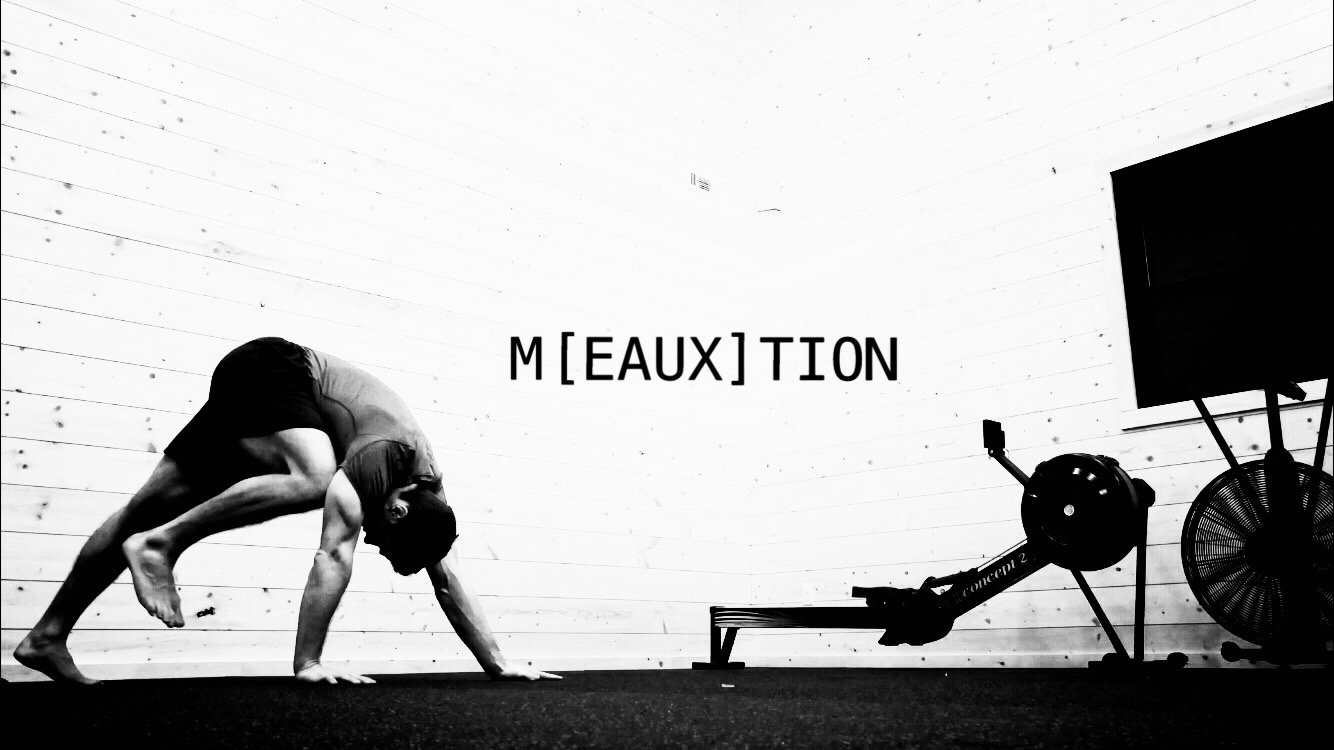

The Basic Forward Crawling Pattern
Movement 20XX is a brilliant bodyweight fitness program designed to build a body using ground-based movement and smart exercise progressions
Beginner, novice or elite… it doesn’t matter.
Eero Westerberg created exercise progressions for any level of fitness, from a beginner all the way up to an elite mover looking to develop movement mastery.
Movement 20XX is a bodyweight ground-based movement training system that integrates different training methodologies into one unique workout experience.
Looking closer, you’ll notice elements of yoga, ground-based locomotion, and various gymnastics drills fused into one flexible training system.
Crawling is a key element of Movement 20XX.
The most effective online fitness programs coach clients using clearly communicated coaching cues. Clear and concise communication is an art form.
Eero’s communication is what makes Movement20XX great, combined with regressions and progressions to those exercises.
Movement20XX introduces beginner movers to the fundamentals of movement training while providing exercise progressions to challenge people who are higher up on the ladder.
Natural (bodyweight-based) movement training is MISSING from most workout programs.
Improving your ability to control your body in any environment, with or without external load moving through space.
Climbing, crawling, balancing, jumping, rolling, reaching, twisting, lifting, etc.
… keeps people young.
Lifting weights is great. Mobility training is great. But at some point, MOVE.
Ground-based exercises like crawling are rarely included in traditional fitness programs.
Shame. It should be.
Ground-Based Crawling
3 basic locomotion patterns I’d like to share today: ape, forward/backward crawl and the crab walk.
Each pattern is bodyweight-based, requiring no equipment, just a small about of space either indoors or outdoors
Crawling Patterns:
Ape is likely going to be the most challenging pattern shared today. Ape requires the most upper body strength and coordination.
Forward/backward crawling is a basic crawling pattern, and probably the most recognizable.
Crab Walk is a supine (chest up) pattern that’ll challenge shoulder and hip mobility in a unique way.
Ape
Forward/Backward Crawl
Crab Walk
Adding Crawling and Locomotion to Workouts
I started slow with crawling. Not because I wanted to, because I had to.
Even the basic patterns crushed me for short distances.
#humblepie
Over the course of a few months, I increased the crawling frequency from 1-2 times per week (mainly during warm-ups) to daily practice for longer distances and durations.
I’ve posted several videos on the Meauxtion YouTube page demonstrating 5+minutes of traveling forms/crawling.
5+ minutes may seem like a long time to be crawling without rest… and you’re right… it is.
Ideas For Workouts…
I train in the morning 99% of the time.
If I wake up and feel residual fatigue or muscle soreness from the previous day’s resistance training or metabolic conditioning workouts, I reach for ground-based only sessions.
Isolating a workout to only ground-based movements like crawling (and other locomotion patterns) is great for the joints yet doesn’t involve huge muscle contractions, challenging, FUN… while delivering a significant training effect.
The tempo (speed… fast or slow) of the movements can easily be adjusted to change the stimulus.
Crawling can be formatted for cardio training. Increasing the speed of a basic crawl pattern (while reducing rest periods) challenges mind-body processing speed and coordination.
Or, add a weight vest to increase the loading. Progressive loading is essential to make gains while lifting weights, and crawling is no different.
Here I am wearing 80lbs of extra weight while practicing an advanced crawl variation, the lizard crawl:
In time, simple movement patterns like Ape, Forward/Backward Crawl and Crab Walk can be integrated into flow-like sequences.
See below:
Video
For beginners, crawling is learned best using a slow and controlled tempo.
Slow and controlled practice allows for a better motor pattern education. You’ll develop a better understanding of the mechanics and physical demands of each movement.
Why Crawl?
Ground-based crawling and other locomotion patterns are both fun and challenging.
You may find (as I did) that these patterns bring restore life into your workout regimen.
Isolated resistance training day in and day out can get extremely monotonous.
One secret to maintaining a healthy long-term relationship with your fitness is to keep training fresh.
Choose activities that require increased physical AND mental engagement.
Most of us don’t have the will power or capacity to sustain a workout regimen it despises. You’ll fizzle out over time.
Make sure to find a workout structure that’s results-oriented, challenging, yet ENJOYABLE.
I love a good physical challenge, and these bodyweight ground-based movement patterns provide it every single time.
Engaging in more locomotion-based exercises reminded me it’s possible to finish a workout exhausted but REFRESHED, not beaten into a pulp.
A 20-25 yard lizard crawl is both exhausting and humbling. For me personally, diving deeper into crawl work was a splash of cold water to the face.
Bodyweight training is an anytime, anywhere with zero equipment and limited space method of building fitness.
Small, odd shaped, cluttered spaces become ideal areas to workout when bodyweight training is the focus.
👉 For more info, check out the Movement 20XX
Related blog posts:
- Basics of the Ido Portal Method
- 14 Exercise Total Body Warm Up Routine
- FLOW| 4 Exercise Bodyweight Flow to Build the Hips, Shoulders and Spine
Kyle

 M(eaux)tion Fitness