

Creatine monohydrate is one of the market’s most popular and well-researched dietary supplements. It is a natural substance that is found in small amounts in some foods and produced by the body. Creatine monohydrate supplementation has been widely studied for its potential benefits on sports performance, muscle growth, and overall health.
What is Creatine Monohydrate?
Creatine is a molecule produced in the liver, kidneys, and pancreas. It is then transported to the muscles used for energy during high-intensity exercise. Creatine is found in small amounts in animal-based foods such as meat and fish, but it is difficult to obtain enough creatine from diet alone. Supplementing with creatine monohydrate can help increase the body’s creatine stores, improving athletic performance and other benefits.
Benefits of Creatine Monohydrate
Creatine monohydrate has been shown to have several potential benefits, including:
Improved athletic performance: Creatine monohydrate has been shown to increase muscle strength, power, and endurance during high-intensity exercise. It can also help reduce fatigue and increase exercise capacity, allowing more intense workouts. By increasing the energy supply to muscles, creatine can improve overall exercise performance and increase the number of repetitions completed during a workout. Additionally, creatine has been shown to increase muscle strength, power, and speed, particularly in activities that require short bursts of intense effort, such as sprinting and weightlifting.
Increased muscle mass: Creatine monohydrate can increase muscle mass and improve body composition. It may also help with muscle recovery and reduce muscle damage after exercise. It works by increasing the availability of creatine phosphate in muscles, which can help to provide more energy during high-intensity exercises. Additionally, creatine has been shown to increase muscle protein synthesis and growth hormone production, which can contribute to muscle growth. Studies suggest that creatine supplementation can lead to significant gains in muscle mass, particularly when combined with resistance training. It is important to note that the benefits of creatine for muscle growth may vary depending on individual factors, such as age, gender, and diet
Neuroprotective effects: Research has suggested that creatine monohydrate may have neuroprotective effects, which could potentially help with conditions such as Parkinson’s disease and other neurological disorders. Studies have suggested that creatine supplementation could have a potential therapeutic effect on Parkinson’s disease. Parkinson’s is a neurodegenerative disease that affects the dopamine-producing neurons in the brain. Creatine supplementation has been shown to improve motor function and cognitive performance in individuals with Parkinson’s, potentially due to its ability to increase energy production in the brain and protect against neurotoxicity. However, more research is needed to fully understand the potential benefits and risks of creatine supplementation for individuals with Parkinson’s disease.
Improved bone health: Some studies suggest that creatine monohydrate may have positive effects on bone health and help prevent osteoporosis. Creatine supplementation has been shown to increase bone mineral density, reduce bone resorption, and potentially lower the risk of osteoporosis. The potential mechanism behind creatine’s effect on bone health involves its ability to promote bone growth by increasing the production of insulin-like growth factor-1 (IGF-1) and reducing the production of cytokines.
Research Supporting Creatine Monohydrate
Creatine monohydrate is one of the most well-researched supplements, with over 1000 studies conducted on its safety and efficacy. Numerous studies have shown that creatine monohydrate supplementation can improve athletic performance and increase muscle mass. Other studies suggest that it may have neuroprotective and bone-protective effects, although more research is needed in these areas.
If you love to see the research, here are links to some of the research on creatine. Keep in mind, there have been thousands of studies conducted
Why Creatine Monohydrate is Preferred
Creatine monohydrate is the most common form of creatine supplement and is widely considered to be the most effective. It has been extensively studied and has a proven safety record. Other forms of creatine, such as creatine ethyl ester or liquid creatine, are not more effective than creatine monohydrate and may even be less effective.
How Much Creatine Should You Take?
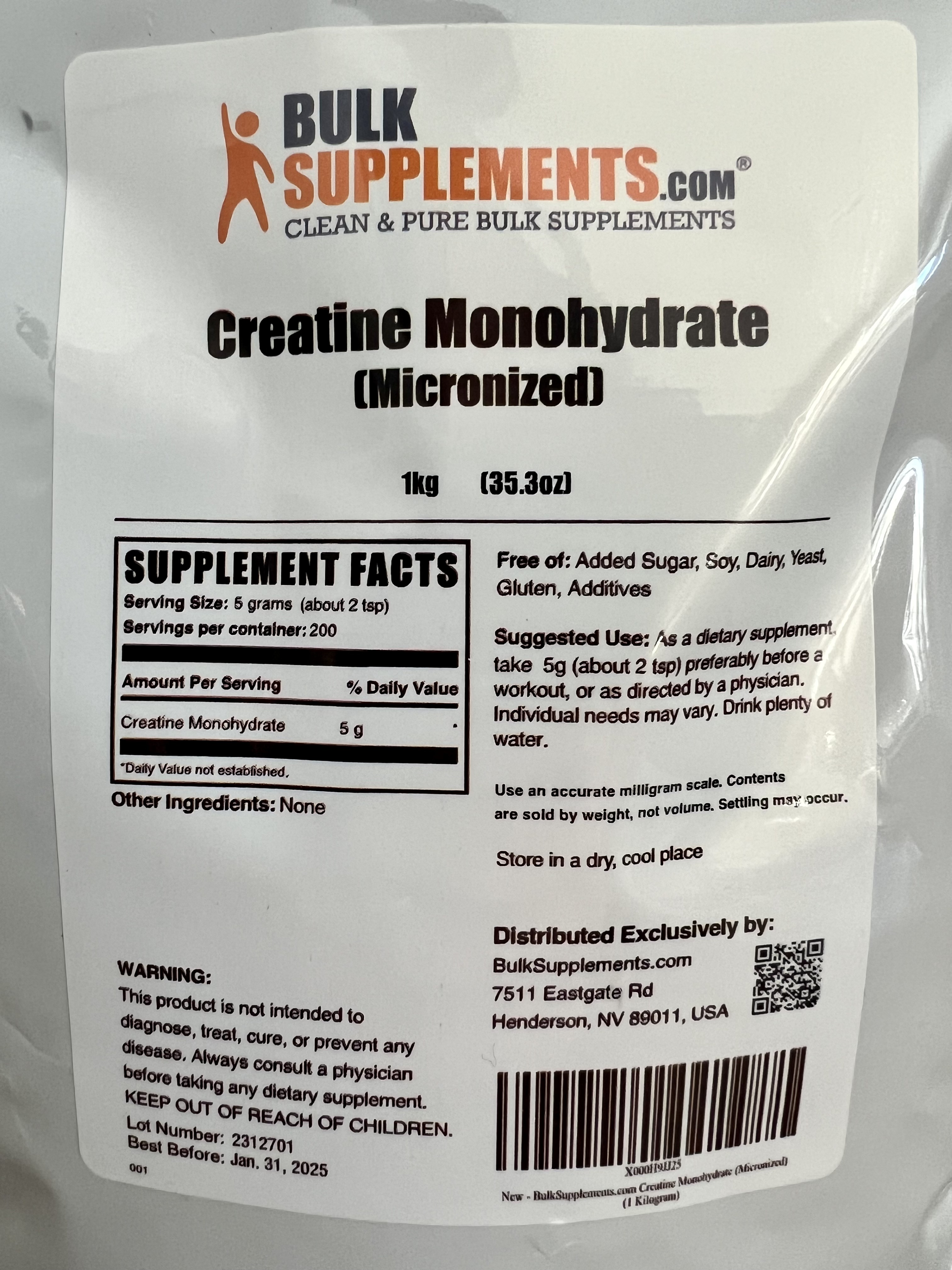
The recommended daily dose of creatine monohydrate is 3 to 5 grams per day, taken orally. There’s no need to cycle on and off of the supplement, although some people choose to do so.
What Liquids are Best for Mixing Creatine?
Mixing creatine monohydrate with water is the most common and effective way to consume this supplement. Creatine dissolves well in water and can be easily absorbed by the body. Other liquids, such as juice or milk, can also be used, but it is generally recommended to use water for the best results. It is important to note that creatine should not be mixed with hot liquids, as heat can break down the creatine and reduce its effectiveness.
In general, mixing with 8-16oz of liquid is recommended.
What is the Optimal Time of Day to Take Creatine?
Creatine can be taken at any time of day as long as it’s taken consistently and with adequate water intake. However, there are some arguments for taking it at specific times.
Many experts suggest that taking creatine monohydrate after a workout is a good strategy to help replenish your creatine stores, which may have been depleted during exercise. This can help speed up recovery and promote muscle growth. Taking it after a workout can also help increase muscle glycogen storage, which can benefit future workouts.
On the other hand, taking creatine monohydrate before a workout may also have some benefits. It can help increase your energy and performance during the workout, allowing you to work harder and potentially see better results. Research has shown that the timing of creatine supplementation is not as important as consistent daily intake. As long as you take creatine monohydrate consistently and with adequate water intake, you should see the benefits over time, regardless of when you take it.
Ultimately, the best time to take creatine monohydrate may depend on personal preference and workout schedule. Some people may find that taking it before a workout works better for them, while others may prefer taking it after a workout. It’s important to find a routine that works for you and stick to it consistently for the best results.
What to Expect While Taking Creatine
Drinking plenty of water while taking creatine monohydrate is recommended, as it can cause dehydration if you don’t stay adequately hydrated. The general recommendation for daily water intake is about 2-3 liters or 8-12 cups daily. However, the amount of water you need while taking creatine monohydrate may vary depending on your body size, activity level, and climate. As a general rule, you should aim to drink an additional 16-20 ounces (about 500-600ml) of water per day for every 5 grams of creatine monohydrate you consume.
Some people may experience mild gastrointestinal discomfort or water retention while taking creatine, but these side effects are generally mild and go away independently. It is also important to note that not everyone responds to creatine supplementation similarly, and results may vary from person to person.
Conclusion
Creatine monohydrate is a safe and effective supplement with numerous potential benefits, including:
- Improved athletic performance
- Increased muscle mass
- Neuroprotective and bone-protective effects.
It is the most well-researched form of creatine and is considered the most effective. While some mild side effects may occur, the potential benefits of creatine monohydrate outweigh the risks for most people.

 M(eaux)tion Fitness