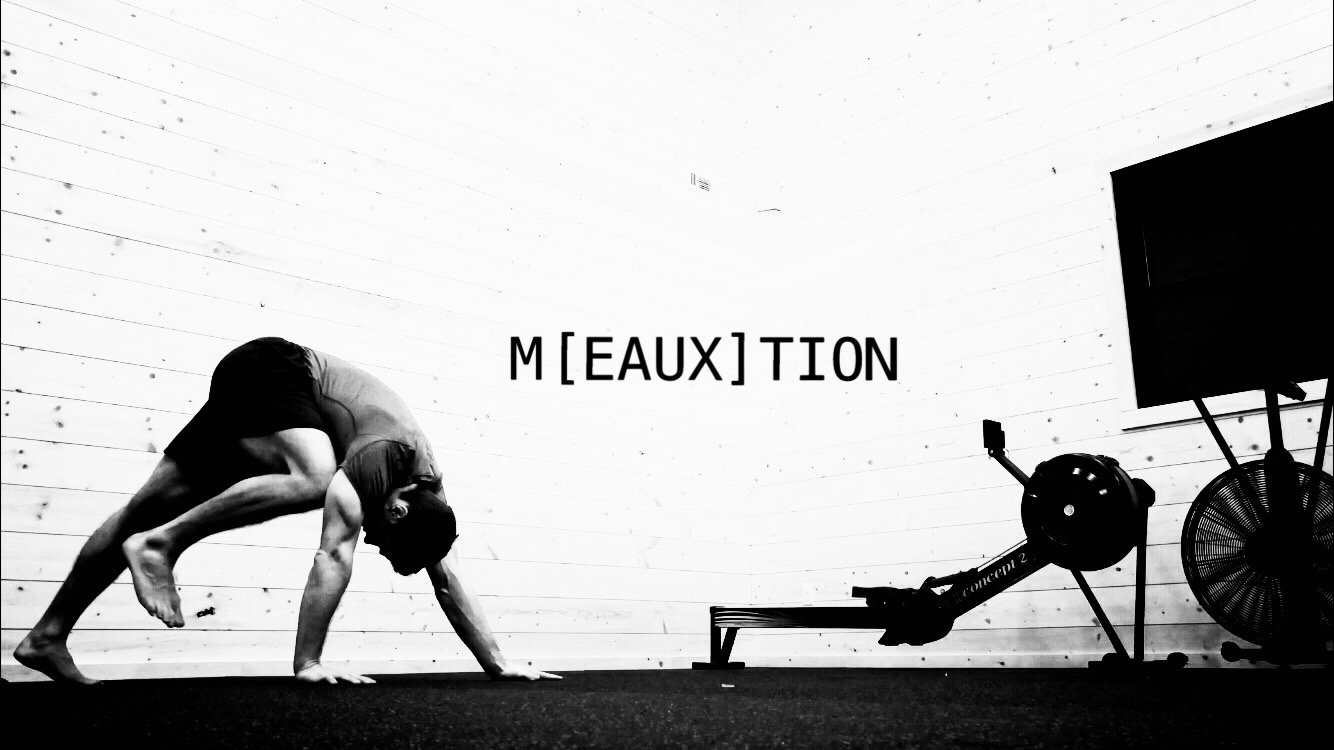
Completely Un-Organized Kettlebell Training For Fat Loss and Athlete-Like Conditioning: Part 1

Quick Tips

I am a huge believer in following a system.  Sticking to the game plan if you will.

There is nothing like a well executed game plan.  If you have ever played sports you know what I am referring to.  If you are fortunate enough to have a career with an employer (or as an entrepreneur) that preaches game plan for success and then the entire company comes together and follows through on executing it, well, it feels damn good.  

Sticking to your systems is the best way to measure your progress.  A system can tell you where you have been and also points you in a focused direction of where you are going.  For a beginner or even a novice aspiring to reach new levels of health and wellness, there is nothing more effective at creating change than executing a system to perfection.  

I love systems.  Did I say that already? 

But let me ask you something that I often think about in my own life…

  • What’s wrong with being sporadic about your exercise selection, sets, reps, interval length, rest periods, etc?
  • Does everything have to follow a set system?
  • Can I still maintain strength and conditioning levels and leanness improvising workouts?

I know those seem like a silly questions, some that most people will never think about, but after you make so many visits to the gym, work through workout after workout following a set progression to an end goal, systems get boring.  

Once I took a step back to get a deeper understanding of how and why we humans move, what our movement options were once we choose to train movement and what seemed to be the most effective at creating total body change… I realized that building high functioning lean bodies can be achieved in a completely un-organized way.  System-less if you will.  Cross-Fit does it in every single workout.  Besides following their two days on, 1 day off (rinse and repeat) training schedule, they seem to be building some pretty resilient humans.  I can’t say that I agree with everything that they are teaching and coaching, but the system-less approach seems to work pretty well for them.

If I can ever focus long and hard enough to put the final touches my books (they are coming I promise), you’ll find that I love simple advice.  Once you become more than a recreational exerciser and decide to invest time in learning about more serious forms of fitness and nutrition, topics can get really complicated, confusing and blurry.  The fitness and health pool is really deep.  There is a lot of conflicting advice, methods and even research.  

But it doesn’t have to be complicated, confusing and blurry.  At least I don’t think it does personally.

I spent years (and still do) reading heavy literature for no other reason than I enjoy reading it. I have a major chip on my shoulder from years and years of personal athletic endeavors that had no real guidance in strength and conditioning.  I didn’t know what a power clean was until Senior year of high school.  That sucks, because I no know what a dramatic difference a simple program can make a young athlete.  It’s incredible.

Sorry, sidetracked for a second there… Where was I?

Oh, I know…  I was just about to finish discussing the title of this post.

I love systems and I love simple training and eating advice.  Give me the meat and potatoes of what I need to know and I can figure the rest out as we move forward.  “Learn by doing” kind of thing.

I have also found that I love the concept of physical preparedness and completely un-organized kettlebell training.  I love heading to the basement, drawing up the workout based on my goals, and getting after it.  Sometimes there is good flow to the training session and sometimes it is full of sticking points, causing a much choppier workout.  Either way, I really never know what I am going to be doing until I get down there.  

However, that being said… I do stick to some key guidelines that help me get away with this un-systematized approach.  Here they are:

1)  Train big movements with challenging resistance

2)  Multi-planar core training

3)  Mobility Mobility Mobility

4)  Conditioning using many different methods

5)  Rest and recover harder than I workout


1)  When I say big movements, I am talking things like squats, kettlebell swings, snatches, presses, pulls, etc.  Stop messing around with tricep extensions and bicep curls, you have to eat your main course before you can have dessert.  

2)  I train my torso region in all directions and planes of movement.  I train my core for force production and force absorption.  I train my core to reinforce stability I can transfer as much force with any energy leaks from my lower extremity to my upper extremity.  

3)  Mobility.  I train mobility so that I can experience life as it should be experienced physically.  Loss of mobility is a prerequisite to pain through faulty movement  Loss of mobility is loss of life to me.  

4)  I condition myself with as many methods as I have resources.  When I was an athlete, I conditioned myself using set methods.  Running early in the off-season, slide boarding and then biking as the season drew closer.  It was scheduled and systematic because that was what my sport (hockey) demanded.  It made sense.  But, now I don’t have a sport.  I simply want to be physically prepared for anything.  It feels damn good to go for a 50 mile bike ride, run a 10k or play hockey 3-4 nights a week without feeling like a slug.  I use many methods to achieve both aerobic and anaerobic-like qualities.  I want to be able to endure long duration activities as much as short burst activities that get my heart rate sky high.

5)  I rest and recover much harder than I train.  Sleep, tissue work, hydration and nutrition are all important to me.  I am what I eat, drink and how I recover from my training sessions.  The green light isn’t always on.  You have to learn how to sit at the red light patiently until it is time to accelerate once again.  Rest, recovery and regeneration.  

Do you see what I am getting at?

I can train myself using a simple set of rules to keep myself lean and athletic, without experiencing the boredom of a system.  Training smart and slightly sporadic will keep me athletic for the rest of my life.  Sure, age will catch up with me as it does everybody at some point, but each training session will be fresh and purposeful.  Movement longevity is something that I am fully invested in, and I encourage you do invest in the same. 

I will say this however, I HIGHLY recommend systems to everyone.  You’ll never get better results as you will when following a system step by step.  My books leverage systems.  Systems get results.  They keep the main thing… the main thing.  Following a system takes discipline, and discipline is something worth developing throughout life.

I treat myself like test rat for variations of time tested methods.  I enjoy seeing if my 5-mile Airdyne ride for time improves or suffers after I train high repetition kettlebell snatches for 3-weeks versus metabolic body-weight circuits.  That kind of comparison scenario is interesting to me, but it isn’t for everyone.

(Any strength coach that reads this is going to grind their teeth)


Cheers to moving more and with purpose,


KG 


Buy a Gym Membership or Build a Home Gym???

Quick Tips

I draw ideas to write from every little conversation and every daily experience. 

I recently had a longtime friend ask me this very question:

“I am just getting back into working out, would you recommend getting a gym membership or should I buy some simple pieces of equipment from a sporting goods store”.

This is a really good question actually.  The funny thing is that if someone would have asked me this 5 years ago, I would have said get the gym membership.  

Why?

Home gym equipment sucked.  Honestly, home gym equipment was really shitty.  You were stuck shelling out thousands of dollars for a treadmill or a elliptical trainer, or maybe a universal gym that companies touted as the “greatest thing ever”.  

The problem is two-fold for this type of equipment:

1)  You’re buying a $2,000 coat rack.  Most people buy a treadmill and 2 months later they are using it to dry their laundry.  This might be some of you reading this blog right now.  Same goes for a universal gym or elliptical.

2)  It provides an inferior training effect.  We know this!  You only have to maintain the speed of the belt on a treadmill with zero ground force production and a universal gym is a machine with fixed angles that place a much lower demand on crucial stabilizing muscles that fire in reaction to daily physical demands (whatever they may be).  A weight machine has very little real world carryover.  

Fast forward to my response to him today…

Without a doubt, I said go with the home gym set up.  I have been training at home for the past 5 years and it has been refreshing.  Absolutely refreshing.  I don’t like being around people when I train.  I don’t like the little conversations about my “toe shoes”, I don’t even like people asking if they can work in with me or when I am projecting to be done with the equipment that I am using.  I don’t like the music they play in gyms, blah blah blah.  

I just don’t like it.

Now, the second reason that I recommended the home gym is because quite frankly, home training went to another level with the introduction of:

  • Suspension trainers
  • Kettlebells
  • Dumbbells (Powerblocks)
  • Jump Rope
  • Weight-vests
  • Battling Ropes
  • Sand bags
  • Sand-bells

These are some of the more popular pieces of training equipment that is widely available to the public today.

Now, you’ll spend a decent chunk of change if you bought one or two of all those items that I listed, so will trim down the list to what I believe are the most impactful pieces of equipment.

1)  Suspension Trainer

2)  Kettlebells

I would go with those two items.  If you’re a male, start with a 12kg and a 16kg kettlebell (be prepared to make a quick jump to a 20kg) and a LifeLine Jungle Gym XT suspension trainer.  Females, start with a 8kg and 12kg kettlebell (be prepared to make a quick jump to the 16kg)   The exercise variations that a person can come up with from just these three pieces of equipment will blow your mind.  Endless combinations, workouts, etc.  Total body training that lends itself to not just stripping fat and building a lean physique, but also promotes the building of athleticism.   

The suspension trainer alone will keep you progressing for months.  It’s the single best piece of home training equipment on the market.  The portability and simplicity of a suspension trainer make it ideal for those who travel or those who wish to initiate the home training experience on a budget.  I love suspension trainers for folks that have banged up joints from years of grinding it out lifting big weight.  Reputable brands are TRX and Lifeline Jungle Gym, although i can’t say enough about the quality of the Jungle Gym XT and it’s unbeatable price point ($99 or less).  Watch for sales.

I buy my kettlebells from Lifeline also.  They are high quality, great surface finish and the customer service makes ordering a breeze every time.  Plus Jon Hinds is local to my location so it feels good buying a product from someone in my own backyard.  Trust me, it is possible to buy a shitty kettlebell.  Buying kettlebells is just like buying everything else.  You’ve got quality and then you’ve got imitation, then you’ve got plain old cheap.  Stay away from the latter two.  You’re only buying your kettlebells once, so make the purchase count or I can promise you that you will wish you had.  At least your hands and wrist will wish you had.As for the durability of suspension trainers and kettlebells…  you should have both for a lifetime.  The only reason the suspension trainer would crap out on you is if you were using it improperly, maybe having excessive loads on the straps or stringing it around a coarse/sharp edged anchor point, which would cut through the straps.  Shouldn’t be an issue if you use your head.  

Image

Kettlebells are a one time purchase that will last forever.  Period.  Well worth the money.  

The bottom-line is this…

The options for training at home were terrible even just a couple of years ago.  That has all changed with the evolution of improved equipment options.  More and more people are seeking alternatives to the commercial gym, and I fully support this movement.  Obviously the best approach is to analyze your budget and what you desire from your training efforts.  I would also evaluate your personality.

Are you the kind of person that can give an effort without anyone watching?  If not, home training is not for you.  At least not yet.  

If you can, and you have the money to invest in some simple gym equipment… well… welcome to the club.


Respectfully,


KG

Red Table Round Table #1

Quick Tips

Good Saturday morning from the little Red Table in Eau Claire, Wisconsin.

Part of the fun of keeping a blog is being able to write whatever you want, whenever you want to write it.  It’s your own personal space to release thoughts and ideas on this massive beast we call the Internet.  That is a pretty cool thing.

I decided that I really wanted to develop a blog posting series where I could just discuss whatever topics happened to come to mind during that writing session.  

Basically, I am talking about just putting my fingers on the keyboard and having at it.  

Creatively, I think this will help me regurgitate some of the interactions, questions and experiences that I had from the previous week.  

A recap of sorts from the past week.

Here we go…


—> Fat loss isn’t an ongoing process, it ends eventually<—

The concept of losing fat has to end at some point.  You cannot forever be in “fat loss” mode with your training and your eating.  You have got to have some kind of end goal to attain.  Whether you choose a certain body fat % or a performance related goal, it doesn’t much matter to me.  Although I suppose that if you are partaking in a full-fledged fat loss program you should probably be measuring the amount of fat you lose.  Skin calipers are a simple and relatively effective way to do this, otherwise hydro-static weighing or a BodPod will give some fairly accurate numbers also.

I was talking with my girlfriend Amanda about the whole concept of fat loss.  I told her that in my experience, sometimes people end up taking the fat loss concept to the extreme.  They literally attempt to walk around with 0% body fat.  They engage in extreme eating habits (calorie restriction and the like) and sign up for extreme workouts.  It becomes just as addictive as eating sugar or smoking cigarettes.  

At some point, you have to realize that you are going to enter a maintenance phase.  You’ve reached  your goals and you’re content with your body figure and your physical abilities and now you’re in what we call:  Maintenance. 

Fat loss ends at some point and maintenance begins.  You decide when that happens.  

Fat loss is a war and it is a lot more mental than physical in my opinion.  Habits need to be broken and new habits need to be hardwired.  Mentally you’ve got to prepare yourself for fighting off your old self-talk.  You’ve also got to get your head in the right place to endure your training schedule.  Physically, the human body is incredibly resilient.  You can handle a lot more physical stress than you think.  (Just keep it manageable physical stress)


I often go back and forth between favoring two approaches fat loss, and I think both depend on the personality of the person.  

Here they are:

  • Aggressive training and eating for 4-6 weeks, followed by a tapering process.
  • A consistent, not overly aggressive effective training regimen paired with a smooth transition into concepts of clean eating.


The first bullet point is an approach that is my definition of a fat loss war.  It’s pedal to the metal. You go crazy in your training and you stay brutally strict with your diet.  You get results quickly and then you turn back the dial a bit and continue pushing on at an effective yet much more manageable pace with regard to training and nutrition.  

The second bullet point is an approach that is quite popular also.  This is the “lifestyle” approach.  I am sure you’ve heard that a million times… “It’s not a diet… it’s a lifestyle”.  Puke.  

Anyways, this approach is a gradual climb.  There is a lot of acclimation to this approach.  I enjoy this approach to losing fat because fat loss is inevitably going to happen if you are eating clean and training purposefully.  I love the research and the highly technical information that the experts put out, but they complicate topics in an effort to sell products.

Eat clean and drink water, learn how to lift weight using big movements, ramp up your cardiovascular training from aerobic to higher effort intervals, then move into a more cardio-strength style training regimen and you’re going to experience a reduction in overall bodyfat.  

Measure your fat loss progress on the cheap.  Use a snug fitting pair of jeans and a tighter fitting shirt to gauge your progress.  Remember, you’re after fat loss and lean tissue gain… not weight loss. (I lose up to 3-5lbs just from sleeping, it doesn’t tell me anything useful).

 —> Again, I encourage you all to set your sights a goal.  A goal is a target.  Once you have the target, set the timeline.  Once you have the timeline, you can assess what kind of effort is required to achieve that goal in that timeline.  It’s simple.  We over-complicate what should be simple.   


Cheers to keeping it simple…


KG


You Gotta Lift With Your Legs!

Quick Tips

Walk into a loading dock at any department store, hospital or industrial factory and you are going to see- maybe in plain sight or maybe laying next to the garbage- a sign that resembles the following:

Image

Caution:  Use Proper Lifting Mechanics


I probably hear something similar to the following quote 3-4 times a week while lifting decent sized plastic bins… “Kyle, lift with your legs bud!”, people say as I throw one bin on top of another.  

Ok, first things first…

1)  Take a look at the picture above.  How many people do you know that have proper mobility in their hips to get their ass that low?  Do you?  Most people don’t, so right away you’re putting yourself in a sketchy body position.  You’ll compensate big time to get that object off the floor.

2)  Lifting with the legs isn’t enough.  It’s all about technique.  Lifting the object by hinging your hips and driving your butt to the floor in an effort to primarily use your legs during the grunt of the lift is ideal.  Also, we deadlift barbells with massive loads in the gym…  Your back muscles are highly involved in that process, so don’t forget that having the back muscles helping out is a good thing, just don’t make them the only thing taking on the brunt of the load.  You’re moving a heavy object from a resting position on the floor to waist height (or higher).  You’ve got to pressurize your torso region to help protect your spine during the grind of the lift.

3)  Lifting odd-shaped objects is… well… odd.  The rules of lifting still apply to lifting odd objects.  Stay rigid, pressurize your torso to help protect your spine as I mentioned above, etc.  However, lifting something other than a designated weight training tool is awkward at best.

4)  Thankfully, most people who are probably lifting heavy stuff like the picture above are probably doing it for a living.  The reason that I say thankfully is because these people are probably conditioned to lifting heavy odd shaped objects, but more importantly they probably aren’t sitting in a chair all day.  You’ll hear me preach about how sitting is wrecking our posture and ability to move (it’s also unavoidable with our occupations), our metabolism, etc.  It’s horrible and unavoidable in today’s working world.  Take a person that sits all day and ask them to lift a 75lb-85lb box and you might have just dealt the camel the final straw (if you know what I mean).

5)  Programmed resistance training and attention to movement quality will protect our bodies from injury and aid in performance, even it that performance is lifting a heavy box off of the floor.  This is the foundational thought process behind establishing and enhancing strength, power, mobility and stability in your training sessions.  Physical preparedness is everything.

You’ll never appreciate your ability to move more than you will once you DO NOT HAVE THE ABILITY TO MOVE.

You gotta lift with your legs! haha…

Cheers

KG

The Birth of Multi-Method Cardio (the aerobic alternative)

Quick Tips

Cardiovascular training is important for genuine health and athletic endeavors.

Cardiovascular training, mainly aerobic, is a topic that hasn’t gotten it’s due respect in the last few years, especially with the rise of work capacity style workouts.  Most of these work capacity style training sessions are resistance based, using training tools like dumbbells, kettlebells and barbells.

Multi-method cardiovascular training was born out of necessity for me.  Maybe someone else was utilizing a tactic similar to this before me, and if so, give credit to that person.  I am sure I didn’t invent it.  However, I will certainly take credit for perfecting it:)

The background behind it…

For 3 years I trained in a studio apartment with limited equipment.  At first, I thought it was just going to be a temporary situation, but it soon evolved into a challenge of sorts.

Could I maintain my current fitness levels using nothing but a jump rope, 4 kettlebells, a suspension trainer, an Schwinn Airdyne and some resistance bands?

That was the question.

It wasn’t difficult to set up my program at first.  I had plenty of room for improving using my kettlebells and progressional exercises on the suspension trainer.  However, as the weeks and months passed by, I began to adapt to my training regimen.

Adaptation is inevitable.  I love the concept of adaptation.  You know why?  It means you stuck to the program long enough to reach the point where your body became strong enough, powerful enough, stabile or mobile enough to render your program… easy.  You essentially have become really efficient at the performing the physical tasks in your daily program.

***Just don’t continue performing those same training sessions for too long or you’ll be sorely disappointed by the results.

Sorry I sidetracked for second there…

So multi-method cardio was born out of necessity.  In between my higher intensity work capacity days, I needed a day where I could engage in some form of aerobic-style activity.  Easy right?  I could have just hopped on the Airdyne and pedaled mindlessly for 30-40 minutes.

The problem is that I don’t have the attention span for that.  I get bored, just like many of you probably do.  The Airdyne solution would have worked just fine, but it is boring as shit!

So, I decided to choose lower impact training methods sectioned off in designated time increments to accumulate that 30 minutes of aerobic activity.

I primarily used my jump rope, a 53lb (24kg) kettlebell and the Schwinn Airydyne.  I also had my Polar HeartRate Monitor on at all times.

I would use each training tool for 10 minutes, grab a swig of water, then move on to the next immediately.  Ironically, I never experienced that same level of insane boredom that I did when only using one method.

I love that.  Training effect without insufferable boredom.

I am effectively accomplishing the same thing I set out to do had I only rode the bike for 30-40, but now I am developing skills using other tools.

Staying in the 10 minute range duration-wise also helped me avoid over-use injuries.  I am convinced of this.  I love jumping rope and swinging kettlebells, but you cannot do it every single day.  You’ll eventually develop chronic over-use type symptoms or worse yet, injury.  Your body needs a break at some point.  (If you’re a person who is back in the fitness saddle for the 2013 and experiencing hip pain or back pain from all of the working out you’ve done, it is for a reason my friends!)

One important point of MMC (multi-method cardio) is anyone can do this at home, which is the other part that I thought kicked ass.  I listen to MY music in MY own environment.  I could watch my television while I jumped rope and rode bike without giving any thought to what channel or movie was showing.  Completely personalized.  Fantastic.

Here is exactly what one of my multi-method cardio session…

Sample Multi-Method Cardio:

Jump rope-  10 minutes

Kettlebell Swing-  10 minutes

Bike-  10 minutes

Depending on your training level, you can adjust the session a bit:

  • Beginner:  6 minutes each
  • Intermediate:  8 minutes each
  • Advanced 10 minutes or longer each

My heart rate for a MMC workout usually hovered around 145-155bpm, occasionally rising higher than 155bpm but never lower than 145bpm.  This type of training is intended to be an aerobic segue between more intense training sessions.  It worked great.  Soreness from my higher intensity training sessions dissipated quickly with the increase in blood flow

Simple?  Absolutely.  Why complicate fitness?  That only leads to confusion and lack of action in my experience.

Always remember that you have to be able to justify your training habits.  I can easily justify this type of aerobic conditioning, and I think that many of you can also in 2013 and beyond.

At the end of the day, give it a try.  Self-experiment and find your groove…

Cheers…

KG

(Part II coming soon…)

Dr. Oz… And Here Comes the BackLash

Quick Tips

I always perk up when I hear or see popular figures like Dr. Oz on television.

Why?

Because I know that he has won the hearts of so many television watching addicts that are in search of “the next great tip”.

Last night’s piece on NBC Sunday Night programming surely didn’t disappoint.

I have to admit that his advice last night was decent.  But it’s the same old song and dance for me and many others…

–  Eat more vegetables.

–  Stop eating processed junk.

–  Exercise moderately for no more than 30 min a day.

–  Include the walk into the Mall, place of work or grocery store as part of that 30 minutes.

Huh?  Re-read the last two points that he made about exercise.

Now, one might say, “Kyle, these are great points, anyone can start with this!”  You’re right and you’re also missing a much more important point.

You’re right in the fact that advocating people to just get up and move in some way shape or form is a really positive tip.  You should move whenever possible, no doubt about that.  Add a little bit more everyday and the accumulation will equate to big things.  You know the drill… take the stairs, park farther from the front door, take a short walk in the morning or after dinner.

But understand that this is the absolute bare minimum needed to get by.  These are recreational activities.  This is not “exercise” in my opinion.  Walking is a skill that an able-bodied human should be able to do for miles upon miles, not just for the minimum 50 yards from the car to the front door of the area shopping mall.

I have seen the studies showing the correlation between minimal amounts of moderately intense exercise (roughly 30 min per day) and its positive effect on life.  I get it.  I read it and I get it.

While this information is definitely interesting, how about we demand a little bit more from ourselves?  Walking for 30 minutes a day is great, but let’s get serious about changing or improving our physical abilities, trading unhealthy tissue for healthy tissue, increasing range of motion at important joints, etc.

Set some goals… Aim to run a 5K or a 10K.  Squat your bodyweight on the barbell.  Swing a kettlebell for 20-30 minutes.  Slam a medicine ball.  Go to war with some battling ropes or try to improve the maximum number of push ups or pull-ups that you can do in a 5 minute time-frame.

Become an athlete later in life, that’s something worth pursuing.

As I mention in my training book(s), we have become a nation afraid of work.  I am talking about legitimate physical labor.  The kind that fatigues your body quickly from effort, causes sweat pour down your face and eventually soak into your shirt.  The kind that causes your lungs to “burn” from a short and intense bout of conditioning.

We always seek the path of least resistance.  Our joints do it, our muscles do it and now our brains are doing it.  We crave what is easy.  We scour the internet, magazines and newspapers for the quickest possible route to health glory while enduring the least amount of physical agony.

Let me tell you something… resolving to dominate your training sessions, whether you are a beginner just learning or an advanced trainee seeking a new path, builds character that spills over into all other areas in your life.  If you can do it physically, you can do it mentally.

Back to the backlash…

I predict a massive backlash from Dr. Oz’s comments, even though I think that he is very intelligent and probably didn’t intend for his comments to be twisted the way that they inevitably will.

It was funny to listen to him talk.  He said that he has to choose his words so carefully when he talks about health concepts and strategies because:  “People will hear what they want to hear”.  I respect that comment.

What he is means is that people are always going to take his advice and twist it to fit their situation.  Some will use common sense and add his tips to the greater whole (exercise and nutrition), but most won’t.  They want the least painful quick fix.

If he says that raspberry ketones are a great supplement for helping to initiate weight-loss, consumers are going to be buying mass quantities of raspberry ketones and consuming at an alarming rate.  When no weight is lost because all that person did was over-dose on raspberry ketones, they render that intervention useless and ineffective.

I also respected his comments about NEVER endorsing a product.  That’s cool.  He said that anything on the shelves that mentions his name or shows his picture is a scam.  That particular company has chosen to use his fame as leverage to sell their product.

Beware of this.  The supplement industry is a billion dollar industry with so many horrible scams out there.  It is difficult to regulate the supplement industry and even more difficult to identify the supplements that are worth taking.  You’re spending your hard-earned cash on these products and most of them don’t work!  Ouch.

Anyways, prepare yourself for the backlash.  Don’t be afraid to push yourself into new realms of fitness.  I don’t care if you’re interested in kettlebell training, powerlifting or endurance-related activities.  Go after something and be WAY MORE THAN AVERAGE in doing so.

Make it happen this week, alright?  I will do the same.


Cheers on this Monday…


KG

Back in the New York Groove!

Quick Tips

Hola!


So I took a leave of absence from writing on the blog for a little while, but it doesn’t mean that I was sitting on my ass the entire time.  I have been trying to find my way through this whole “writing a book” process.  

I have found two things:

1)  I have enough thoughts to write 10-15 books.

2)  All of those thoughts swirl and end up paralyzing my efforts quite often.


It’s funny how my brain works.  I am finding that the thoughts don’t flow fast enough that I can talk into a tape recorder or use talk-to-type technology, but yet when I type (and I do consider myself a decent typer) my fingers can’t keep up with my brain and I get distracted by the next thought.  It’s a constant battle.

I seem to be caught in the middle somewhere.  

Luckily, I never write alone…

Image


Gus!

I was peeling through some old emails this morning and came across an email that was originally sent by the marketing gal over at LifeLine Fitness.  If you are unfamiliar with LifeLine, I would highly encourage you to check out their product lines.  Most of it is geared toward individuals that want to break free from commercial gyms, move into bodyweight style training, or are looking for a more portable way to stay fit.  

All of their products I stand behind, including their line of stretchy bands (resistance bands if you will).

I have to admit, I still struggle with the use of resistance bands.  I just think that it is such a mistake to base an entire program around bands.  I have never been a fan I don’t think.

The resistance is not consistent throughout the range of motion, which basically makes an exercise easy from the start position and gradually more difficult as the joints reach full extension.  

I could see why a more advanced trainee would like bands, especially if you were trying to improve your lockouts on movements like squats, push ups or deadlifts, but using bands as a replacement to more traditional tools like dumbbells or barbells seems inferior still.

Again, maybe there is something I am missing here.  

Segue…

Segue…

Segue…

Last Sunday night I suffered what is my 5th diagnosed concussion of my life.  I say “diagnosed” because anyone that plays or has played a contact sport of any kind know that getting your bell rung is common and often unannounced to medical professionals after it happens.  I think that science and testimonials from recent years shows that hiding concussion-like symptoms is a major mistake.  

Anyways, I am about 5 days out from my Sunday night head impact and my head still feels cloudy.  It is hard to explain really.  I don’t want people to know that I smashed my head because it inevitably will lead a long lecture on taking care of yourself, which at this point, I cannot take any more of.  It’s also extremely frustrating because my cognitive processes are slowed.  Not painstakingly slow, but I just don’t feel as sharp as I did pre-impact.  

I know that this dissipates over time.  Head trauma is a little more fragile than other parts of the body, but it still requires a decent amount of rest and recovery.  Limiting TV, bright lights, ahhemm… computers (shit), and anything that makes the eyes twitch or taxes the brain.  Exercise or exertion of any kind is out of the question.  I know this very well from my collegiate hockey playing days. 

When I was in college, I really brushed off concussions like they were nothing.  Now I a much deeper respect for the healing process.  It’s my goddamn brain I am dealing with.  I only get one, and if I mess it up, I am screwed.  It really puts things into perspective when you think about it for a minute.  

All in all, my projects are moving in the right direction.  I will definitely be adding more blog posts in the coming days, weeks and months.  Blogging is such a great release and provides time to put out information in an uncensored fashion, which I love.


Cheers to a great weekend… Keep moving…


KG

I’ll Train Anywhere, Man

Bodyweight Workouts, Quick Tips

There was a song a number of years ago by Johnny Cash, “I’ve Been Everywhere”.

As I sit outside on a gorgeous Fall day here in Wisconsin, I got to thinking about how fitness has evolved over the years. It wasn’t all that long ago that a workout only took place inside of a commercial gym.  Sure, there were some outlying people here and there, maybe some underground gyms that were doing some really great stuff, but for the most part, a membership style big box gym was the only place to get your hands on some equipment and train.  At least that is what most people thought.

Gone are those days.

I haven’t trained in a big box gym for 5 years running.  

At first, it was hard.  Looking back, I have to assume that it was a far more mild withdrawal than what a smoker experiences when they go cold turkey, but it really was difficult.  I felt lost trying to figure out how I was going to create a sustainable training plan without all of the equipment that I had become so accustomed to using.

I think that a lot of people go through these feelings when they think about organizing a training plan that doesn’t involve a gym.  I can assure you that the thought that you need thousands of dollar worth of equipment to get a quality workout is a myth.

Does equipment help?  Yes, absolutely.

At some point, it is nice to have access to a traditional barbell, some dumbbells and a nice cable machine.  But you can survive and progress for a really long time without it.

I had 4 kettlebells, a first generation suspension trainer, some resistance bands, a foam roller, a Tiger Tail, chin up bar, and a jump rope.  That was my gym.

After thinking things through, I realized that I really wanted to try and create a training regimen that I could use to preserve the muscle, strength/power, soft tissue health and solid quality of movement that I had built over the years.

My training really went to another level once I took my training wheels off and left the gym. I came to the conclusion that if a person clings hard to the fundamentals and principles that really great programs are built on, you can get an unreal training effect no matter what equipment you have available, or your environment.

I’ve trained everywhere.

Outside in backyards, parks, school tracks, football fields, etc.  Inside in a room that’s slightly larger than a small bathroom, a guest bedroom, a hotel, etc.  If you have a few feet of room in all directions from where you currently stand, you can make it happen.  Trust me, I have done it.

Not on purpose or as a topic to brag about in conversation, but out of necessity.  I have made the commitment to a physical lifestyle.  It makes me happy and keeps me challenged to see what I can do next.  When I travel or when we are away from the house, I feel comfortable knowing that I can engage in some quality physical activity no matter what the environment is.

Winter in Wisconsin is a bitch.

But even then, you have options to get a training session in.

So when I start ranting on and on about people’s lame excuses for not getting a sweat in on any given day and how weak that this, now you can understand where that is coming from.  You can train anywhere with anything, you just have to WANT to.

I aim to always be a resource for all of you.  Sometimes you what I write about will really hit home for you and your situation, sometimes you may be offended by my tone or sometimes you may think my article is so boring that you hardly make it through the initial few paragraphs.

Either way, I aim to create change and get you to think…

KG

Training Tunes Episode #1

Brain Training, Music Motivation, Quick Tips

Music motivates.

Quite frankly, training without music sucks in my opinion.  The research is clear that music can make our brains tell our bodies to keep going.  It’s not really that simple, but essentially music is a major part of our physical culture…

So what are you listening to?

Here is what I am listening to…


Post up!  I want to know what you are listening to!!!

My Real Issue With Devoting Less Time to a Workout

Angry Rants, Quick Tips

The real issue that I have with cutting a workout short is this…

I see a direct correlation between the length of a workout and the intensity level needed to accelerate fat loss and lay down lean muscle tissue, positive hormone changes, etc.

What’s the problem?

Well, as a professional, my right mind has issues with telling a beginner to go blast themselves through a high work capacity style training session in 20 minutes.  You have to earn the right to train like that.  You have to prove to me that you are technically proficient in your exercise technique.  You have to prove to me that you can lift heavy things (db’s, kb’s, bb’s, etc) while under fatigue.


I have other criteria but I think you get the idea.

To be honest, this is my current beef with Cross-Fit.  It’s cookie cutter for everyone.  Very little assessing of movement quality before being thrown into a 15 minute high intensity work capacity training session (this is just my experience around these “extreme training” style trainers and gyms).  From beginner to advanced, you are going to perform the workout of the day despite your training age, abilities, technical proficiency in high risk lifts, etc…

Some of these people are not even close to being ready for the kind of intensity and work needed to create change in that short of a time span.  Sure, I could write-up a workout for anyone that could bury them in less than 5 minutes.  That’s no joke.  But anyone can do that.  That’s just making someone else tired.  That isn’t training them for the long-term or educating them on the process of what it takes to lose fat and keep it off.

I can’t advocate that.

It’s mindless and it isn’t safe.

So at some point I have to draw the line.  A person needs to be realistic with themselves, especially someone new to resistance training and some of the modalities that we coaches are finding the biggest return on. You have to be willing to find the time or adjust your schedule to make the time to train.  You have to be willing to learn and groove things like the squat, hip hinge, core stability, etc.

Are your weekends open?  Saturdays and Sundays?  Don’t forget the weekend doesn’t discriminate 🙂

I design short training sessions as a solution, not an easy out.

There are people out there who are legitimately pressed for time for themselves.

Example:  A lot of the surgeons who I work alongside are seriously hard pressed for time.  They get up crazy early, make rounds on patients, operate, go to clinic, then get out of the office around 6-7pm (commonly later) and have a family to come home and spend time with.  This is a common issue for a lot of people who are entrepreneurs, businessmen and women, etc.

They need solutions.

Time effective workouts are their effective solution.

Just remember, there is a trade off for a short workout.  

That’s all…

Have an AWESOME WEEKEND.


-KG