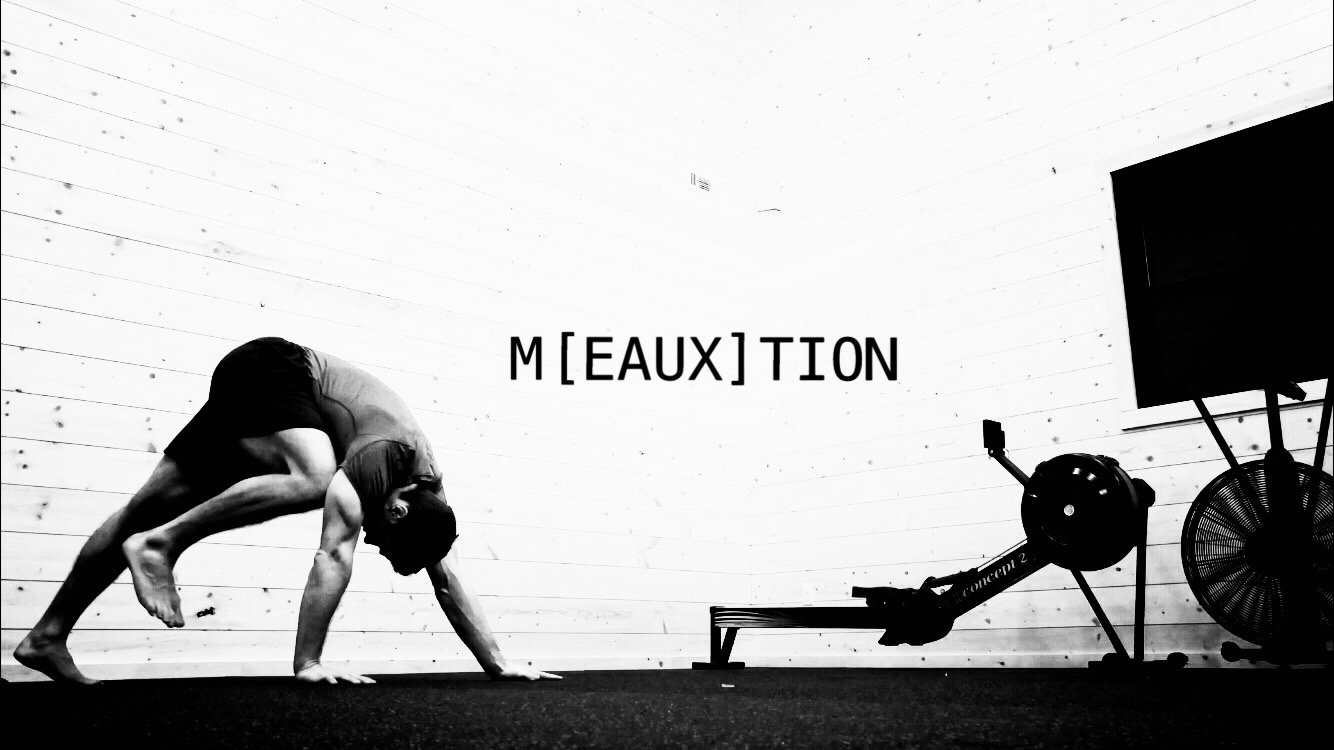
Dynamic core training is essential for functional fitness because it mimics our daily movements and sports and improves our ability to perform lifting, bending, twisting, and reaching more efficiently. A strong and stable core also helps to improve posture, reduce the risk of injury, and enhance athletic performance.
What is Dynamic Core Training?
Dynamic core training aims to improve core strength, stability, and function in real-life movements, such as bending, twisting and reaching. Unlike traditional static core exercises, which involve holding a position for a time, dynamic core exercises involve movement patterns that engage multiple muscle groups in the core and often other areas of the body.
Multi-planar dynamic core training is a type of core training that involves movements in multiple planes of motion rather than just in a single plane (such as up-and-down or side-to-side). This type of training focuses on developing core strength and stability using movement in all three planes of motion: sagittal (forward and backward), frontal (side-to-side), and transverse (rotational).
Multi-planar dynamic core exercises challenge the body to stabilize and control movement in multiple directions, which can improve overall athleticism, coordination, and balance. They can also help prevent injury by strengthening the muscles and joints in the core and improving overall body mechanics.
Examples of dynamic core exercises include diagonal cable chops and lifts, macebell swings, rotational medicine ball throws, and deadbugs.
Is Dynamic Core Training Different than Traditional Core Training?
Traditional core exercises, on the other hand, typically involve isolated movements that focus on strengthening individual muscles within the core, such as crunches, sit-ups, and planks. While these exercises can be effective in building core strength and stability, they often neglect the vital role that the core plays in dynamic movements. Traditional core exercises may not translate as well to real-life movements and may not provide the same functional benefits as dynamic core training.
3 Examples of Dynamic Core Training Exercises
Macebell 360 Swings
Macebell 360 swings are a unique circular strength training exercise that requires the use of the entire body, focusing on the core muscles to generate power and momentum as the macebell is swung around the body in a circular motion.
The swinging motion of the macebell creates a rotational force that challenges the core muscles to maintain stability and control. This exercise strengthens the core muscles and improves the body’s ability to transfer force from one movement to another, which is vital for sports and other activities.
Deadbugs
Deadbugs are bodyweight-only dynamic core exercise. Deadbugs involve movement and coordination, requiring the core and hip muscles to work together to maintain stability and control. The alternating motion of the arms and legs challenges the body to maintain balance and control, which improves overall movement efficiency and enhances the body’s ability to transfer force from one movement to another.
The benefits of deadbugs include:
- Improves core strength and stability
- Develops neuromuscular control and coordination
- Promotes better posture and spinal alignment
- Helps prevent and alleviate lower back pain and injury
- Enhances overall athletic performance
- Targets specific muscles, including rectus abdominis, obliques, transversus abdominis, hip flexors, and hip adductors
- Corrects muscle imbalances
- Low-impact exercise that is easy on the joints
- Can be modified to accommodate different fitness levels and goals
- Improves breathing mechanics and oxygen delivery
- Deadbugs can be done almost anywhere without equipment
Half-Kneeling Diagonal Cable Lift
Half-kneeling diagonal cable lifts are a rotational and diagonal movement pattern that challenges the body to maintain balance and control, improving overall movement efficiency and enhancing the body’s ability to transfer force from one movement to another. The added resistance from the cable or resistance band makes the exercise more effective in developing strength and power.
Notice the cable moving across the body from the hip to the opposite side shoulder. This creates a unique challenge for the body to navigate.
Benefits of the diagonal cable lifts include:
- Develops rotational power and coordination
- Enhances balance, stability, and coordination
- Increases range of motion and flexibility in the hips and shoulders
- Reduces the risk of lower back pain and injury
- Enhances overall athletic performance
- Challenges the nervous system and enhances neuromuscular control
- Can be done using a variety of equipment, including cables, resistance bands, or dumbbells
- Helps improve posture and alignment
- Improves proprioception and body awareness
The diagonal movement pattern of cable lifts also helps engage the obliques and transversus abdominis, essential muscles for stabilizing the spine and improving overall core strength and stability.

 M(eaux)tion Fitness