Time is a limiting factor when it comes to staying active. Whether the lack of time is a perceived or it is legitimate, it is still a limiting factor.
Proving that a short and intense training session is highly effective for creating forward motion is important.
That’s why I will continue to throw together small installments of workouts like the one below, because you need to know that you’ve got solutions.
Not every workout has to be a 2 hour affair.
Once you see results from these short burst training sessions, you’ll begin to see opportunity in every small window of free time to sneak in a quick workout.
Let’s get into it.
Here is a simple workout that integrates the suspension trainer with more traditional bodyweight movements. It’s deceptively taxing.
Enjoy…
Equipment: Suspension trainer, bodyweight, timer
Space: 8x8ft
Time: 15-20 minutes
Impact: Low-Moderate
Complete at least 3 rounds (up to 5 round) of the following reps/exercises with no rest between exercises:
20 Push-Ups
20R/L Rear Foot Elevated Single Leg Split Squats (Suspension Trainer)
20 Inverted Rows (Suspension Trainer)
10 Ab Wheel Rollouts
20R/L Mountain Climbers or 20 Burpees
Rest: 1-2 minutes before starting the next round.
Repeat for 3-5 total rounds
Here is an unedited/summarized video clip of the workout….
A couple of things:
Scale the workout.If you are new to training, perform 10 reps of each instead of the recommended 20 reps. Switch single leg squats for traditional bodyweight squats. Perform as many regular push-ups as possible, when you get tired, move to knee push-ups. If you’re advanced, aim for 5 rounds. If you’re still not impressed with the difficulty, add a weight vest. I can keep going all day with progressions to help increase the difficulty of a workout like this, if you have questions, just ask me!
Buy a suspension trainer. Some of you won’t see the value in this, but trust me, there is value in this. It opens up a whole other world of working out that you didn’t know existed. It makes a lot of exercises far more natural and enjoyable. I prefer the Lifeline Jungle Gym XT because of price and quality.
10 reps for ab wheel roll outs. Please take notice of the decreased reps for this movement. I have completed this workout using 20 reps before, and quite honestly, it just took too long. All of the other movements are up tempo and then boom… slow on the roll outs. Plus, form breaks down quickly with high rep anti-extension core work.
Go for it. Assuming you’re using your head (aka: common sense) and you’ve been cleared by a physician to participate in physical activity, just go for it. Warm up, and get to it. The more you think about it, the greater the likelihood that you’ll talk yourself out of it. Less reading, prepping and planning. Sometimes you’ve got to take the road map and get behind the wheel. I already gave you the road map, now get driving.
—> Some thoughts…
I love training sessions like this, they are quick and to the point.
If you travel, training like this is cash money.
We address the entire body in a short time frame, using mostly unloaded movements that are resistance based.
One important thing to remember: Don’t under-estimate the effectiveness of bodyweight training, yet don’t expect too much from bodyweight training. Keep everything in perspective.
Just do the workout and see how your body reacts to it. Your body will tell you what needs to be tweaked the next time around.
It’s funny, between the ages of 18-22 years old, I didn’t really value my fitness. The fitness that I did have was a byproduct of being an athlete in a sport that places high demand on conditioning and the ability to repeat those high intensity efforts, therefore I really didn’t know anything else. Having strength and being conditioned was a part of life, as it is for so many athletes.
When you play a college sport, you quickly find that you have to stay in shape damn near year ‘round. For hockey, there is a period of down time between the end of the competitive season and the beginning of off-season training, but it is quite short. Maybe a week or two at the most.
When you’re not on the ice, building aerobic/anaerobic capacity along with hockey specific skills, you’re in the gym building qualities like strength and power. The efforts put forth in the gym are designed to boost to on-ice performance, as is any off-season training program for any sport.
After I graduated from college, the byproduct of fitness that I had enjoyed from athletics also left. Training was no longer mandatory for the rest of my life, it was optional. Many of you know what this feels like. It’s strange, because everything is so regimented for so many years, and all of the sudden it just stops. I no longer needed to keep myself even remotely close to the sort of shape that I did when playing, however I chose to keep up with it.
I trained smarter once I was done with college than I did when I was under the supervision of a full-time paid strength coach at the University.
I learned that there was a whole other world of training methods available that we athletes had not be exposed to. It’s still frustrating to think that our programs were a tweaked variation of the basketball or football team’s strength and conditioning program, but in reflection doing something in the gym was better than doing nothing.
Fast forward a few years, about six to be exact, and I still train hard 3-5 days per week. My training frequency (days per week) varies depending on my professional career schedule and other activities, but for the most part I am able to workout as much as I would like.
I love it. I am grateful that I have taken care of myself post-college athletics. It has allowed me to run races with buddies or skate with current college hockey players without stressing about my physical abilities. If you think this sounds silly, I would bet that many of you have turned down the opportunity to run a race or play a sport because you thought that you weren’t fit enough, saving yourself some sort of embarrassment. I’ve pulled that one myself.
I call it being “physically prepared”.
Being physically prepared is nothing special. In a recent post about aerobic conditioning, I shared a pie chart showing how my workouts are divided up between strength, aerobic and anaerobic interval training.
The chart is accurate at the present time. But if for example, a friend called me up and asked if I wanted to pedal a Century Ride (100 miles) with him, I feel confident that I could do it with very little additional training.
Why? Because I am physically prepared.
If I travel to Colorado to join a buddy in climbing a 14’er (14,000 ft mountain) I am confident that I can handle it no problem.
Why? Because I am physically prepared.
I think you get the point.
For most of the year, my training has no other purpose than to:
1) Keep my body capable of handling short or no notice physical stress.
2) Keep me lean and mentally self-confident (there is a large mental component to why we workout in the first place).
3) Keep pushing myself to avoid giving in to the stereotypical activity levels that supposedly come with adulthood, career and family.
4) Make a small time commitment for a large ROI with my day-to-day health and ability to fight off sickness throughout the year.
Subconsciously, I also train with the motivation to do my best to avoid Orthopedic issues later in life. I don’t want to find myself lying on the operating room table (having a joint replacement) because I was lazy. That’s an expensive mistake that will hit you hard financially and physically. Our bodies are sophisticated but at the same time we are also a bunch of pulleys and levers, and keeping the right amount of tension on each pulley and lever will help avoid going under the knife.
I also never want to be a statistic on the nightly news that shows deaths from completely preventable disease. I won’t be that person either.
Bottom line: You’ve to strengthen and condition yourself with the future in mind. Always in mind.
Yikes.
All of us are going to have a different opinion about the amount of fitness that we should keep.
Constantly making an effort to improve your strength and power, cardiovascular capabilities, joint range of motion and stability in those joints will keep you moving for the long-term.
Fitness should be tailored to each individual. You should maintain a fitness level needed to successfully move through life pain-free and safe-guarded against injury while meeting the physical demands of day-to-day life without worry or hesitation.
But in my own case (and many others I am finding) keeping a lifestyle that is full of movement whenever and wherever makes the journey a lot more exciting, and I call it being physically prepared.
I love simplicity and this workout doesn’t disappoint on that front.
When I am not training to build raw strength, I love work capacity style training sessions to improve cardiovascular performance, maintain my strength and probably best of all… stay lean. I don’t have to sacrifice muscle with work capacity training sessions that use resistance-based exercises. This is important to me as my goal is to keep bodyfat low, not lose muscle mass.
Keeping muscle mass is the reason that most people stay lean in the first place, it is a calorie consuming tissue. It takes more calories to sustain muscle than it does to sustain fat. Keep trying to build more muscle at all costs.
I will never deny that work capacity training is unreal for people who seek fat loss or those who have already lost fat and just want basic maintenance training. I hold the opinion that we can organize these work capacity workouts to be just as effective without all of the risk of injury. Choose exercises and the variables wisely (rest periods, work periods, load, etc)
That is an idea worth pursuing in my humble opinion. Keep people safe and while getting rid of fatty tissue at a rapid rate.
You get the vibe.
Let’s get into the workout.
So here is what you’ll need on hand for this workout:
– Small space (8x8ft or so)
– Jump Rope
– Kettlebell that you can swing 20 times with no problems (lighter than your best)
– Interval Timer or any other timing device
Here is how the workout will be structured:
1) You’ll be working in 2 minute segments, alternating between the following drills w/o rest in between:
1 minute of jump rope
15 Kettlebell Swings
2) After your last rep of kettlebell swings, rest for the remainder of the 2 minute block.
3) Catch your breath, towel off, grab a drink and set up for jumping rope once again.
4) Once the clock reaches the 2 minute mark, you’ll begin jumping rope for 1 minute followed immediately by 15 kettlebell swings.
*** There is NO REST between the transition from jumping rope and kettlebell swings.
***Just so I can make sure that you understand the structure of the rounds, you’ll begin the next set of jumping rope (after 20min) at: 18min, 16min, 14min, 12min, 10min…etc. Does this make sense?
Why do I love workouts like this?
Because I can get the cardio training effect that I want while staying vertical and using a movement like kettlebell swings to elicit a near total body muscular contraction. Kettlebell swings are notorious for being a great method for decreasing body fat, and jumping rope is a skill that everyone could stand to get better at. Vertical cardio work like this is highly functional if I do say so myself, especially when you compare it to other forms of cardio that involve fixed machines like elipticals, treadmills and recumbent bikes.
Staying on your feet while working through fatigue has great carryover to the demands of life.
I value this aspect of a workout like this.
Holding posture during the later rounds of the jump rope will be challenging, but it’s important to control your breathing patterns as you fatigue. It’s not as bad as you think it is, so relax, stay vertical and let the air flow in and out. Focus hard on technique with the kettlebell swing. If it gets sloppy, stop the set and rest until the next bout of jumping rope arrives.
—> Beginners
If you’re a beginner, you can scale the workout back a bit to better suit your abilities. Try jumping for 30-45 seconds and swinging for 8-10 reps. You could even knock off a few rounds, and work through say 8 rounds instead of 10. It’s up to you how you want to work it out.
—> Advanced
If you want to ramp it up beyond the original workout listed above, your best bet is to add a few rounds or increase the weight of the kettlebell. I have done as many as 15 x 2 minute rounds (30 minutes total work) which got a little long I must admit.
This is a great workout that can truly breathe fresh air into your currently training schedule. If you are sick of boring ass cardio, give this a shot. A workout like this will have a far greater impact than jogging or biking for the same about of time. It’s important to know that you have alternatives to traditional cardio training.
Trade the treadmill for a kettlebell and a jump rope. Then get to work.
Simple training tools, simple exercises and simple workout structure… Enjoy!
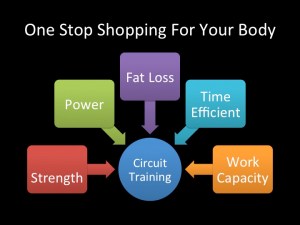
If you’re in the market to lose a little fat, circuit training is for you. The bonus is that you’re going to build some strength and work capacity in the process. Or maybe it is the other way around, maybe the bonus is that you’re going to burn some fat while you make an effort to build strength and work capacity?
Either way you look at it, you’re circuit training is going to kill multiple birds with one stone. This is time leverage for a workout. If you’re going to make the time to workout, you should really be utilizing a training method that is going to continue to work for you even after you finish the last rep. That’s smart training.
When I say “circuit training, I’m not referring the kind of training where you move from one machine to the next. There will be no use of machines- at least not how they were designed to be used- on this blog. I can confidently say that. An able-bodied human needs to move about their joints freely, not sit on a machine.
I guess I don’t mind fitness machines… for hanging my jacket on them when I arrive to the gym.
Total body circuit training should fatigue just about every single muscle in your body by the end of the training session. That’s why we call it “total body”. In fact, I will make the argument that just about every circuit training workout should be total body. I guess am just not a fan of training the upper body on one day and the lower body on the next, or splitting sessions up by body parts.
The total body approach builds athleticism. Circuit training using the total body approach will allow you to perform more work using heavier loads for each movement pattern while remaining as fresh as possible.
That’s a mouthful.
The most effective circuit training in the world involves strength based (or resistance based) multi-joint movements.
If you aren’t familiar with the terms “multi-joint movements”, I am referring to exercises like:
Squats
Lunges
Push-Ups
Chin-Ups
etc…
All of these movements require freedom of movement about multiple joints and recruitment from multiple muscles.
Total body muscular fatigue.
Just because I keep saying total body, doesn’t mean that you’ll be performing 20 different exercises in a training session. Don’t confuse that. The goal with exercise selection is to keep it simple and focused.
When selecting exercises to incorporate prior to the workout, there is a simple format that you can follow to help you along.
You can literally plug any exercise into the following categories and whammo!… You’ve got yourself a quality training session.
Here are the movement patterns that I would like you to address during the session:
1) Total Body Explosive (Kettlebell swings, thrusters, etc)
2) Upper Body Vertical Pulling (Chin ups, pull ups, etc)
3) Lower Body Pushing (squats)
4) Core/Pillar (ab wheel rollouts, body rocks, suspension trainer pendulums)
5) Upper Body Horizontal Push (Push-Ups, bench press, etc)
6) Lower Body Hip Dominant (Lunge, deadlift, hamstring curls, etc)
Seven categories of movements that will build you a lean athletic body: burn fat, develop strength and power, improve performance and save you time in the gym or at home.
Here is how the exercise would be ordered for the training session:
A workout like this is what I call a leveraged training session. Time is leveraged and the training effect of the workout is leveraged. Just about any workout is to elicit a metabolic response, but an aggressive workout like this done 3-4 times per week will really shake up your system.
A workout like this combined with some sensible food choices will send a body transformation into overdrive.
Where people fail, is they fail to take action. Or, if they take action, the motivation to stick with the program begins to fizzle out.
Stay with it for at least 4-6 weeks and you’re going to see some amazing changes take place. Trust me here.
I’ve been obsessed with work capacity style workouts for quite sometime now, and I have a love/hate relationship with burpees. Burpees have been a main ingredient in many of these workouts, and for damn good reason.
Burpees are one of the greatest work total body conditioning exercises known to man.
Transitioning from a standing position down into a pushup then immediately back into a full squat jump is fatiguing as all heck. Incredibly fatiguing.
If someone gave me the choice between burpees, kettlebell swings, Schwinn Airdyne sprints or hill sprints as a work capacity conditioning session, I am going to choose all three of the latter before I choose burpees. Sorry burpees. Sometimes the best exercises are the ones that we dread the most. This is one of those cases for me and many others out there.
However, since this is a love/hate relationship, I have to admit that the burpee can drastically improve a person’s cardiovascular conditioning while accelerating body composition changes.
In other words, if you keep working at burpees and get really good at them, you’re going to put yourself into a state of great physical shape and see some serious changes in the mirror.
I wouldn’t never build an entire program around burpees alone- or any exercise- but I would build an entire workout or a solid “finisher” around the burpees. “Finishers” are sequences of exercises grouped together at the end of a workout to elicit a large metabolic training effect. They are designed to test your mind and your body, and well, finish you.
If you enjoy leaving the gym feeling highly fatigued- and lets face it most of us do- the 100 burpee for time finisher is a fantastic challenge.
Here is how it works:
—> The Rules for the 100 Burpee AFAP (as fast as possible) <—
Full burpees only (push up and squat jump included).
Take breaks as needed but remember you’re racing the clock.
Stop if you experience nausea or dizziness.
That’s it. Set the clock and get to work.
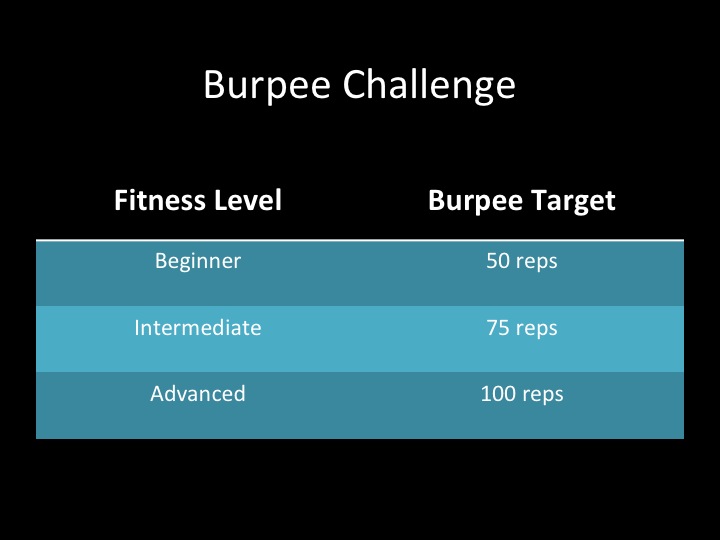
Now, I know that not everyone is at a fitness level to perform burpees for the full 100 reps. You may not be able to finish 20 reps. If this is the case, adjust the challenge to fit you.
Here are some general guidelines for different fitness levels:
If you’ve never performed a single rep of burpees, you’re a beginner in my book. Sorry, but you are. You might be physically fit but you’ve never experienced a single burpee. Nothing wrong with that. Never a better time to start implementing the burpee.
What I really like about this challenge is that it requires zero equipment, can be performed anywhere and can serve as a conditioning test that you can continue to re-test to see improvements in fitness. It’s no different than testing how fast you can run 2-miles.
One of the keys to work capacity style workouts and finishers is to avoid letting your mind cash checks that your body can’t cash.
The best work capacity workouts keep the trainee in complete control of their body and the weight being used. Of course, it’s every person’s responsibility to pull the plug at his or her own discretion. You’ve got a brain, don’t be afraid to use it, even if it means swallowing your pride and falling short of your goals for the training session.
If reps get sloppy, stop the set and regroup. Grab a drink, take a breather, gather yourself. If you still cannot finish the set after a break in the action, stop. Done. Finished.
Don’t be afraid to pull the plug.
Grinding out one more rep with horrific form isn’t worth the torn rotator cuff, slipped disc in the lower back or tweaked ankle. There’s no glory in it. None.
I’d like to think that much of what I advocate on this blog is high tempo, yet safe. There will be no circus tricks done for high reps just to burn you out and get you fatigued. Safety is a real concern here.
Push it hard and to the limit, but in a safe manner. If you keep that balance, you’ll be able to sustain a life full of physical activity, not just a few years of glory until ligaments and tendons start giving out.
Building your fitness and preserve your body. It’s a balance.
Give this challenge a real shot, either as workout in and of itself or as a finisher after a strength training session.
Below is a sample of what a warm up looks like for me prior to a training session.
The only awkward moment comes when I attempt to stay on the rubber matting while performing forward, backward and side to side gorilla hops. Hey, I’m human, shit happens. This isn’t Hollywood produced, it’s real world home training. Film it like it happens, right?
The important thing to remember is that you should always maximize the equipment, time and space that you have available to you. You can always get way more accomplished with what you have than you originally thought.
I have really come to enjoy integrating animal style movements in the warm up, as it demands rhythm, stability and mobility to accomplish the moves. Plus it isn’t boring, which is important for keeping your movement endeavors interesting and sustainable.
After you watched some of the video, it’s important to understand a couple of things:
1) I only foam roll problem areas (trigger points, stiff muscles, overactive muscles)
2) I only address mobility in areas that I lack it.
3) The dynamic movement prep is mostly total body.
4) Jumping rope serves to increase blood flow, core temperature and gets me sweating.
The point is that there is no time wasted and everything has a purpose. My body is prepped for the transition into the physical demands of the workout.
My workout for this day was highly metabolic, which is how I have been training for quite some time now. All workouts are designed mindfully and not intended to destroy my body, but rather build and condition it intelligently. I completed all of the exercises below without rest between movements in a 15 minute timeframe (I was tight on time):
I have used workouts like this successfully for over 5 years now. The loads and exercises are appropriate for my skill and fitness level. To be completely honest, the less complicated you make a session like this, the more fun you will have. I rarely stray from the basic movement patterns: push ups, vertical pulling, squats, kb swings, etc.
I am after the training effect, not a circus-like performance. The risk doesn’t always match the reward with complex movements. It usually looks great on paper and sucks in practice.
For the time invested, I haven’t found any other style of training that keeps me lean and functional for the time invested. The trade-off for time reduction is an increase in intensity. This isn’t for beginner or the weak of heart. You’ll be tired at the end.
It’s a great blend of work capacity and strength movements that demand full range of motion and attention to technique. Of course, you can increase the difficulty of a workout like this or make it slightly easier if need be. Progression is always the answer.
Cheers to making less excuses and taking more action…
I recently read an article where a blogger that posts about his journey to overcoming struggles with food addiction, moving into a life of health and movement, had his wrist slapped for promoting nutritional advice without being a licensed professional. So, to CMA (cover my ass) I will go ahead and let it be known that this article or any article on this blog that discusses nutritional interventions should not be implemented without consulting a professional. This is for reading entertainment only, the choice to take action is yours. 🙂
The hard part about saying that is that a lot of nutritionists use outdated methods and refuse to move past the calories in verses calories out recommendations to treat overweight or obese patients. This is sad, because there is obvious more going on with weight gain and fat retention than just calories.
What about the quality of food? The type of food we consume? This has to count for something, doesn’t it?
Scientists are starting to blow the whistle in agreement.
Gary Taubes is an author that is leading the charge, not a scientist but worth listening to.
I have long thought that it is an ingredient issue, and since I dove into the underground nutrition world some years back, it is obvious that our health epidemic is heavily related to the quality of our food more than the quantity of our food. Again, calories do count for something, but the source of those calories seem to be impacting bodily fat loss more than anything.
I like analogies to understand topics so let me ask you this…
—> If you drink 300 calories of soda versus eating 300 calories of lean meat/veggies/eggs, which will have a bigger negative impact on body composition, particularly with regard fat gain?
The soda, right?
It’s clearly the soda, and so many people know that it is the soda that it boggles my mind why we as consumers continue to buy products like soda, candy and pastries when we know that regaining control of our body would require choosing natural whole foods like lean meat, veggies and eggs.
It’s crazy to think about. There is an incredible amount of psychology behind why we choose to eat what we do. I know for a fact that kids are exposed to crap food through their parents and schools.
Kids will eat whatever their parents prepare, and when they are at school, they have to eat whatever the school has prepared (unless they pack a lunch that their parents have made). I haven’t seen a healthy school lunch yet, even though I know there are pockets around the country that are promoting the transition to healthier lunches for schools.
This is what my school lunch looked like as a kid, how about yours?
I was reading this morning, and I came across a link to an article discussing calories and the food industry. The article goes on to say that the food industry is tricking us. They have mastered the art of influencing people’s buying habit based on calories. The promotion of low calories in processed foods leads people to believe they are making a healthy choice, when in reality they are buying highly processed food that increases the body’s likelihood of translating that food into fat.
Take a few minutes to read it, it’s worth your time.
I do agree that calories still count for something, but I also think that in order to get the pendulum to swing back away from the calories in versus calories out approach, we have to preach quality versus quantity. Once this thought process starts to stick, we can then re-introduce mindful calorie consumption in combination with quality food consumption.
I know that I am an extremely active person and that has helped me maintain a lean body, but I haven’t given a crap about my calories consumed in a given day for well over 7 years.
Why?
Because when you diet consists of mostly plants combined with adequate protein, water, coffee and green tea, what is to be concerned about? Eating well is the best stress reliever because you can feel confident that what you put into your mouth is giving you the best possible chance at a long and healthful life. Aesthetic-wise, you’re giving your body the best opportunity to stay lean, which does wonders for your self-confidence.
I intended for this post to give a bird’s eye view of some of what is currently being discussed regarding what we perceive as good calories and bad calories.
One thing is certain… we’ve got an epidemic on our hands and the solution to it is simple, but how we get there seems to remain complicated.
Subtle positive changes in diet will have provide massive returns on investment, I guarantee this whole-heartedly. It’s a decision we all have to make from individual to individual. The food that you consume will either put you closer to your body transformation goals or lead you further from them. Exercise alone is not enough.
What will you choose?
Cheers to sticking it to the food industry and regaining health…
Animal movement is getting a lot of attention from forward thinking fitness professionals these days.
I predict that Men’s Health will jump on this bandwagon soon enough. You’ll probably see a headline that screams:
“Burn Fat and Build An Athletic Body Like True Animal!”
Men’s Health has mastered the art of the headline and how to attract to attention. That’s cool. I am slightly jealous, but then again, I would rather have the freedom to write with my own authentic voice and tone, not what they think people want to read. That would get old real quick. You lose your identity as a person, what makes you uniquely you, when you start working for the man.
My blog articles wouldn’t be authentic if I didn’t get a bit lost here and there, so let’s get back to the business of discussing animal-like exercises, and where they might fit in a workout program.
—>Bear crawling is an awesome therapeutic movement…
First, let me say that I understand movement, however, I am not an “animal movement”, I simply see it as a methodology that can provide some great benefit while keeping your training session fresh.
Crawling for a better body…
I have used crawling off and on for quite some time now, both in my own training and in the training of my general and athlete clients.
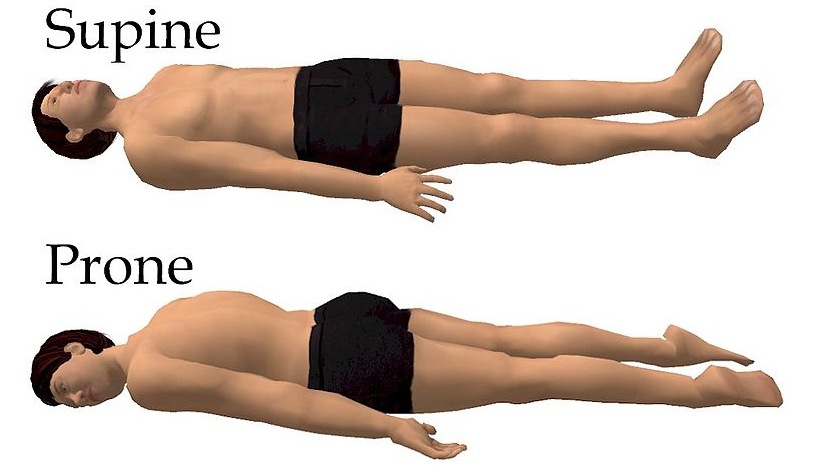
Actually, I have used the supine and prone versions of crawling for about 7 years. Here is what I mean when I use the anatomical terms supine and prone:
Crawling was valuable part of our warm up when I worked with my younger athletes. I have to admit however that I really only used crawling movements with the younger population, mostly between the ages 9-12 yrs. Reflecting back, I wish I would have programmed more crawling with my elite athletes and corporate personal training clients.
Babies crab and bear crawl all of the time. It is essential for their movement and development into the early walking stages of life… Check out these videos for proof….
The Crab Crawl and Variations
The crab crawl is the supine version of crawling. The front of the body faces the ceiling and back faces the floor.
Here is a simple variation of a supine crab crawl called the Table Top Pull Through. You’ll understand why it’s named this way once you click on the video. Great warm up movement…
With the younger athletes, I mostly used the crab crawl (supine). I saw (and still do see) tremendous value in the upper body and lower body connection that a supine (crab crawl) provides. When working with younger athletes, it’s important to keep the balance of entertaining them (keeping them engaged in what you’re coaching) and teaching them how to use their bodies. It’s quite an interesting process working with younger kids, I deeply respect any coach or trainer that is successful at it.
Here is what a full crab crawl looks like:
I would ask my athletes and clients to crawl forward like you see in the video above until I verbally cued “hips up!”, at which time they would stop, raise their hips and form that human table top that you viewed in the first video. The backside muscles of the body light up during this static hold, as does the torso. While the backside activates you’re simultaneously lengthening the anterior (front side) aspect of the shoulders/pecs.
This is such a fantastic movement for people who sit all day long. It really helps to unwind some of the structural changes that as a result of sitting for extended periods of time. Unwinding and reversing these changes is really important to avoid unnecessary injury and malfunction.
It was great, but most of all, it was fun for the kids and adults alike. It’s one of those movements that doesn’t feel like a “workout”, yet has tremendous bang for your buck.
Shortly after incorporating the crab crawl, I started playing around with the bear crawl. This is essentially the flipped over version of the crab crawl, with the participants face and belly facing the floor.
You’ll notice that it is quite easy to “butcher” crawling movements and cheat. However, if you take your time, align your body and move as if you were trying to stay as soft and quiet as possible, there is an incredible amount of motor control, timing and recruitment that takes place to make it all happen.
Sidenote: I have found the “soft and quiet” idea to be quite effective for working to perfect movements related to crawling and Turkish Get Ups. Staying soft and quiet asks the person to stabilize and activate muscular in a timely manner in order to be graceful. In a fitness world that seems to drool over “harder, faster, aggressive, yeah!!!!”… moving with grace is a nice breath of fresh air. Think yoga-like grace.
Now, the bear crawl, just like any other movement, can be performed at different speeds. My recommendation is to prove that you can perform the slow motion bear crawl before you start racing around with horrible technique. I’ve seen some videos of bear crawl racing on YouTube.
Not where you should be starting…
If you can’t go slow with expert like technique, why should you go fast?
It’s almost hard to say “technique” when talking about bear crawls, because I don’t know if anyone has actually established what ideal technique should look like. It’s open for interpretation and varies depending on who you are talking to.
Keeping the mid-section still and some sort of rhythm is key however. Picture a glass of water balancing on your back as you crawl, avoid spilling any of the water during the movement.
—> Keep the bear crawls training effect in perspective…
1) The bear crawl is a demanding exercise that has progressions, just like any other exercise. If you can’t hold a satisfactory plank or properly activate your abdominal musculature, bear crawling might be a little further down on the needs list for you. You may have to fix some other things first, than work into the full bear crawl.
2) Start slow and perfect the movement. Move with control over speed. It’s not a race.
3) Don’t expect anything extreme to come from the bear crawl. You’re not going to develop a six pack (abs are made in the kitchen), burn crazy fat, or become super human by incorporating the bear crawl into your workouts. It’s a tool, treat it as a small but important piece of the whole picture.
4) Integrate the bear crawl into your warm-up. It’s a fantastic upper/lower body activating exercise that will prepare your joints for the demands of the workout.
I have to admit, I am fascinated with animal movements and how they can and should fit into a training program. It’s an old idea that is creeping back into workout programming for forward thinking coaches. I value animal movements, but I wouldn’t be the first to base an entire program off of them. As I mentioned earlier, they are tools and puzzle pieces that help create a complete program.
Definitely worth messing around with in your own training however. I can say that for sure.
—> People will think you are a weird for sure…
You’ll get some weird looks if you’re doing bear crawls in a public place or at your local gym, but remember, who cares? People don’t think much about anything, so just do it. You’ll have a blast and create some positive training effects from it. If you’re at the gym and people roll their eyes, let them. You’re ahead of the game by incorporating crawling movements into your training regimen. Keep yourself away from stale training programs.
Cheers to humans crawling around like bears and crabs…
Let’s face it, time is a commodity. It’s our most precious commodity. The clock will continue to tick no matter what we do.
I used to think that people who claimed that they “have no time to work out” were just dishing out lame excuses. I might be conditioned though. I have heard this time and time again from people who ask me for fitness advice. Once I give them a rough outline of what they need to be doing in the gym or at home workout-wise, they raise their eyebrows and throw out the “I have no time for that” card.
What did you expect? Hahaha. It makes me laugh every time.
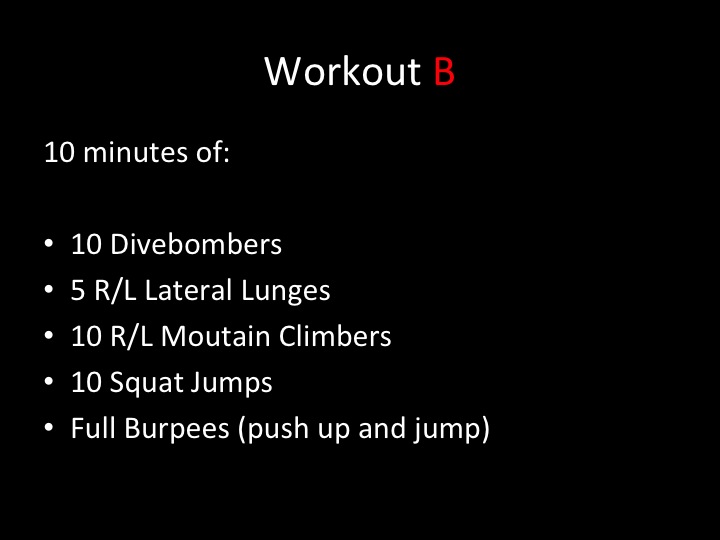
Enter: Time based training.
What follows is a simple time based workout program that is an immediate solution for anyone leery of investing decent time in a workout or for people who are legitimately short on time (because I know that you are out there folks).
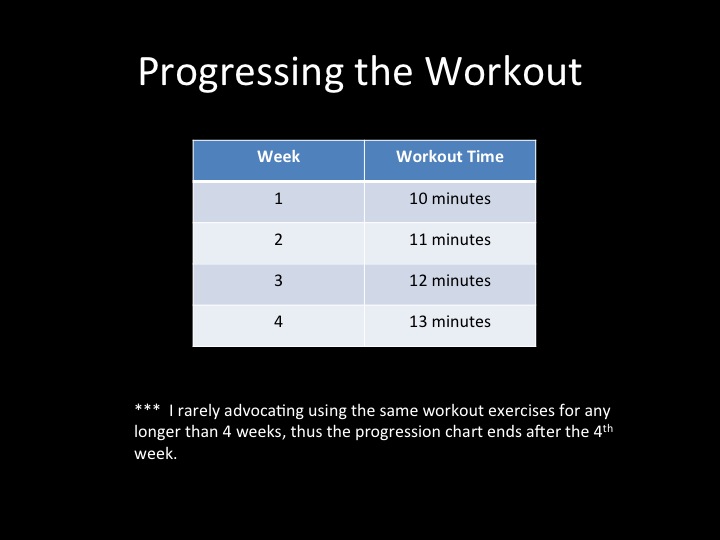
You’ll be able to progress this training plan for about four weeks while avoiding stagnation and adaptation. The body tends to get really efficient at activities that we repetitively engage in, so don’t be silly and try to ride this program out for a year or something crazy like that.
Building fitness demands that you constantly keep tweaking the variables.
Here you go…
Essentially you are increasing the volume of your training sessions by adding one minute per week for four weeks straight. I like workouts like this for beginners or advanced individuals alike because everyone can move at a pace that is appropriate to them. Beginners can grab a breather and some water if need be, and advanced trainees can whiz through at break neck pace to get their training effect from the workout.
Best of all? You can do this type of workout anywhere.
Worst of all? No pulling and no hip hinging movements. Without equipment, it’s really hard to work upper body pulling movements into a workout. Suspension trainers like the Jungle Gym XT really help this issue.
Hip hinging is the motion you’d make if you were butt bumping a car door shut. You’re hinging at your hips. Without weight, it’s hard to train this movement pattern, which really sucks because hip hinging is one of the most beneficial movement patterns that we humans can train.
You’ll find that every style of training sacrifices something. Nothing is perfect.
The key with short workouts like this is leveraging the training effect of the session. Short training sessions like this need to be high tempo since you are cramming a lot into short duration.
If you’re not willing to buckle down on your eating habits, well, prepare to be awfully disappointed by every workout program ever created. Physical activity is a supplement to eating food worthy of fat loss. The changes that take place post-workout are just as important if not more important than what takes place during the workout.
Sure, you can reduce body fat and increase performance without any dietary intervention (yes it is possible), but you’ll sell yourself short in the long run. Sooner or later you’ll reach a plateau. Eating crap food and training like a crazy person only gives off the perception of health. Food is the key to the body aesthetic universe and long-term health and wellness.
Any honest personal trainer or fitness advocate in the world will tell you that nutrition makes up the bulk of the foundation of any athletic or fit-looking body. We cannot train hard enough or long enough to offset poor eating habits. Unless you are an Iron Man athlete, in which case you are training for 3-5+ hours per day, almost daily and you have no real world career other than your sport.
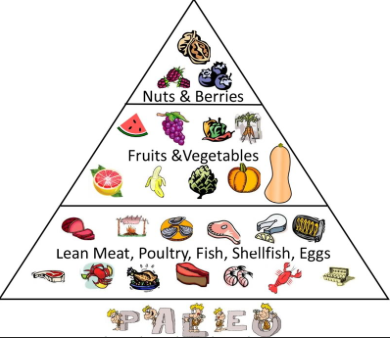
Less than 1% of us fit that description, so lets just be big boys and girls and eat nutrient rich foods. Ok? Make the food that enters your pie hole primarily veggies and plants mixed with some animal protein and nuts. Perfect little diet solution that will work wonders.
Plus, it would be so stressful to think about having to workout so ridiculously hard to combat all of the junk food eaten.
If the food grew from the earth or has a mother, eat it. That’s your checklist to decipher through the food trickery that has saturated our restaurants and supermarkets.
Rock this workout plan for at least 2 weeks. Training for any period of time shorter than that isn’t even worth lacing up your shoes for the first training session, and it really shows that you aren’t prioritizing to make some changes. Stay committed and trust yourself and your program.
All in good time.
Cheers to leveraging our body’s natural ability to burn fat…
I always enjoy reading “list” style article from other writers, so I am making a conscious effort to put out more list style articles. I have to be careful on how I word the titles however. My major beef with article that are constructed in the list format are when they appear like the following:
“3 Best Foods to Eat for Fat Loss”
“10 Best Resistance Band Exercises”
“5 Best Butt Shaping Moves”
What is the common trend that you see there?
The word “best”.
I have trouble with the word “best” these days. I used to be the kind of guy that would give out information about what I thought was the best, but I have since realized that just about everything works. That being said, there are definitely exercises that I would select over others for most people. But I still don’t feel comfortable saying that there is any one “best” of anything. It’s a human malfunction, not an exercise malfunction.
I am guilty of it myself.
So I am careful on how I am going to word these “list” articles.
Moving on…
Physical culture has evolved tremendously over the last few years. Products and methods have continuously improved our industry. Naturally, the information being dispensed to the public has also become much more applicable.
Below are what I feel are 5 red hot trends in the fitness world…
1) Metabolic training.
I can’t really use any more description than that. We have officially entered the age of Cardio-Strength, Met-Con (metabolic conditioning) and work capacity based training for getting lean and regaining control of our bodies. It’s a trendy method, and rightfully so. I myself have trained using incomplete rest periods and high volumes of work in short amounts of time for years. The results are undeniable. I don’t like to generalize statements, but the kind of aesthetic look that metabolic style training produces seems to be highly desirable by the public. People want the lean and athletic look. As with any trendy method, metabolic conditioning is also heading toward the dangerous realms. There are always individuals who will take ideas to the extreme, and we are seeing this currently with metabolic conditioning. Over-training and injuries have never been so prevalent, yet people seem to think it is part of the gig. It doesn’t have to be.
2) Suspension Training.
Yes, TRX first hit the mainstream a long time ago. Close to 6-7 years actually before finally hitting it big time. Jon Hinds at LifeLine Fitness has been promoting his Jungle Gym suspension trainer for years prior to that. What is amazing is the evolution of how we are using the suspension trainer. It’s become a go to tool for rehab, developing and regaining mobility and stability and also yoga like movements. It’s arguably the most versatile piece of training equipment in fitness right now. Every home should have one.
3) Paleo.
Paleo is the hottest trend in eating, and I have to say that I have been eating ridiculously close to Paleo for quite some time. Paleo is clean eating. Whole food, lean meats and plenty of plants. Although I feel that some professionals have really enjoyed the marketing appeal of a term like “Paleo”, I cannot argue with the eating recommendations. If you want to strip fat and get yourself out of the “sick, overweight and heading for preventable disease category”, Paleo is a fantastic option.
Here is a link to Robb Wolf, a trusted name in the Paleo world: Robb Wolf
4) Animal Movements.
This is something that I am HIGHLY interested in at that the present time. I will be reporting back on this in future posts. I would like to call it ground based mobility training, but that doesn’t even do it justice. After watching a few video clips from the folks over at Primal Move, I was hooked. I see so much value in it. Strength and Conditioning coaches have been gravitating to Gray Cook and his Functional Movement Screen for assessing athletes and general population clients alike. I can see this building on the findings of Gray’s FMS. Moving joints in a range of motion like the video below would be a tremendous addition for so many people…
5) Self-massage.
It’s never been more simple to perform self-maintenance on your body. Tools like foam rollers and lacrosse balls have around for ages, but the information on how to use them was really lacking. Sure, guys like Mike Boyle and others were promoting foam rolling sessions as a pre-workout method for eliminating trigger points and changing the density of muscle before changing length. Some will argue against the effectiveness of stretching statically, and I am not even sure where I stand on static stretching at the present time, but no one should argue against the effectiveness of relieving oneself of restrictions (aka: knots and sticky tissue). Trigger Point Performance, a company out of Texas, has really taken the concept of self-massage to the next level. There educational seminars and products are fantastic.
Where is physical culture heading next? Who knows, and that is the beauty of it. We read, learn and apply daily. The landscape of the fitness industry is constantly changing, and I really like that.






















 M(eaux)tion Fitness