Here’s why Turkish Get-Ups are one of the best kettlebell exercises:
Build coordination and spatial awareness
Train rolling patterns and cross-lateralization
Improves other lifts
Enhance shoulder mobility/stability
Promote upper and lower body stability
Adds lean muscle to the body in a functional way
Develop upper, lower, and trunk strength
Endless combinations, variations, and workouts
It can be used for a cardio training effect
Turkish Get-Ups are one of the best kettlebell exercises a person can learn, train, and progress. Turkish Get-Ups demonstrate integrated total body strength, stability/mobility, and control.
Kettlebell swings, snatches, and cleans are explosive exercises. These movements are ballistic and demand force production for maximum benefit. Turkish Get-Ups are on the other side of the spectrum. They’re a slow and controlled grind.
The following movements are woven into every repetition of Turkish Get Up:
Core rolling patterns
Windmill
Hip lift
Lunge
Dynamic shoulder stability (holding the kettlebell anterior, vertical, etc.)
In future posts, I’ll share variations that add other exercises to create a different training effect and challenge. Every segment of the Turkish Get-Ups allows an opportunity to add an exercise or tweak. The options are limitless.
The unique part of Turkish Get-Ups is the mirror effect of the exercise. The movement actions performed in the first half of the exercise are mirrored and reversed, returning to the floor. Therefore, you’re training the concentric and eccentric phases of each movement.
Learning, practicing, and building strength and work capacity with Turkish Get-Ups are worth your time. Over time (and with attention to essential factors like diet, hydration, sleep, etc.) Turkish Get-Ups can play a influential role in improving body composition (losing fat and building functional muscle), strength, coordination, and control.
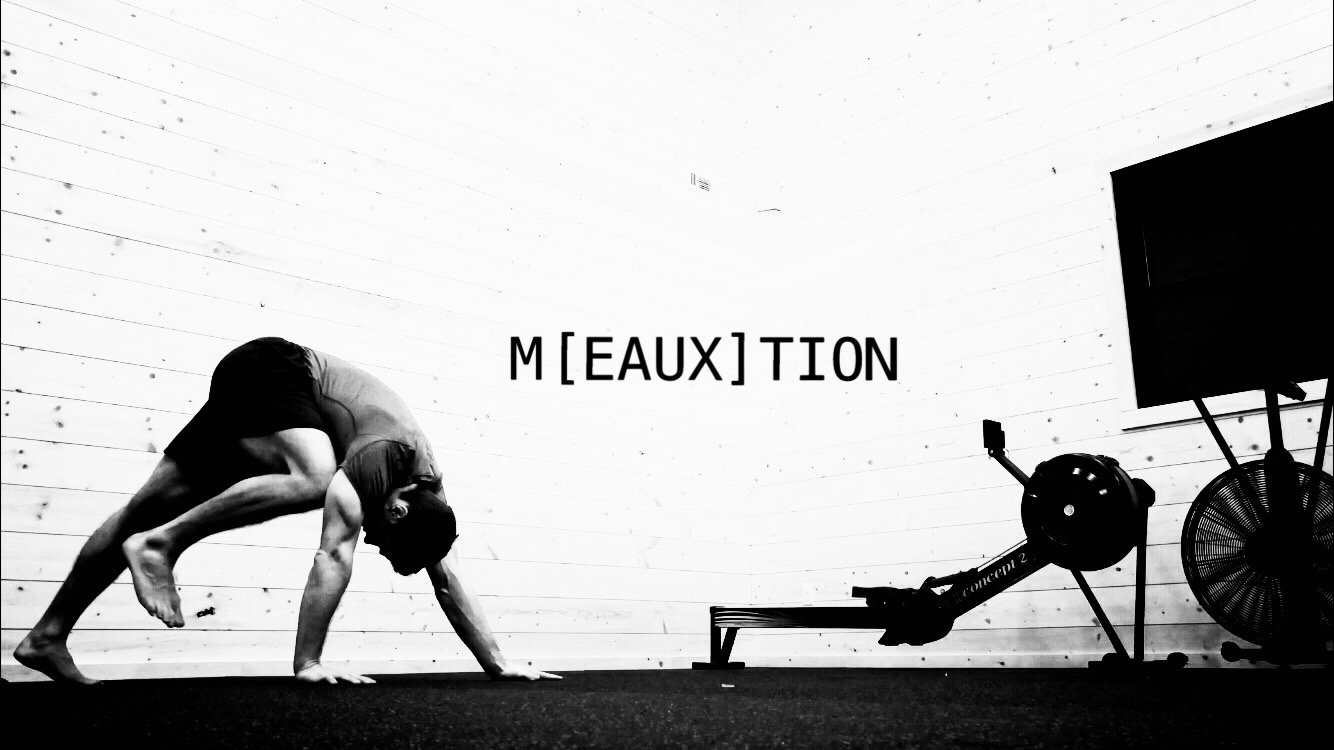
Two exercises, 1 workout. Rowing and Turkish Get Ups.
Today’s workout incorporates my favorite cardio machine, the rower, and an exercise which has become one of my all-time favorite total body strengtheners, Turkish Get Ups.
The rowing machine is a cardio machine that I have a true love-hate relationship with. Rowing provides a tremendous low-impact, high reward workout, regardless of the distance or intensity, therefore I love the training stimulus. I also hate rowing because it sucks my soul out of my body each and every time I use it.
Rowing is hell wonderful.
Turkish Get Ups show up on the Meauxtion blog in a lot of other posts. I love Turkish Get Ups. You should learn to love Turkish Get Ups.
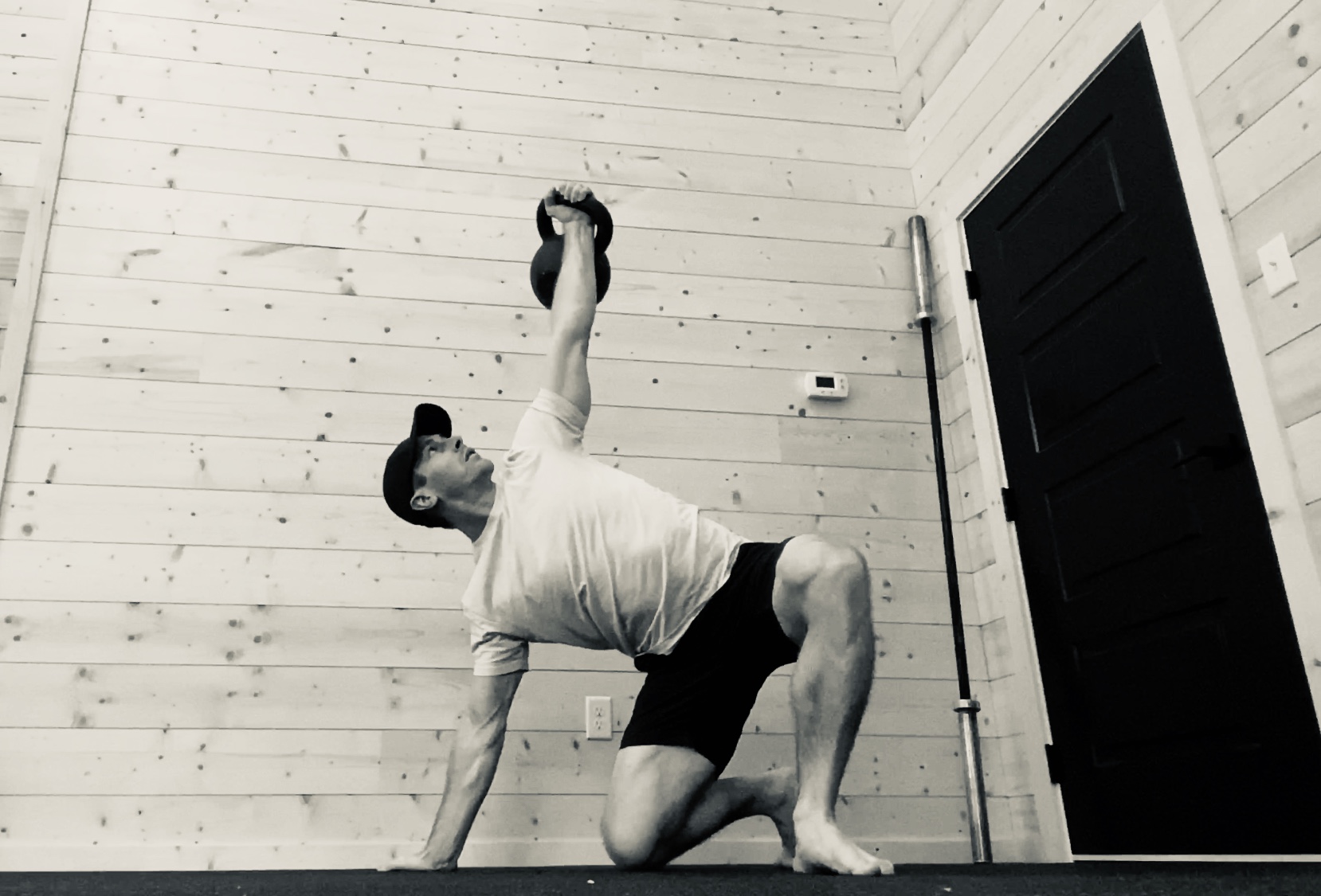
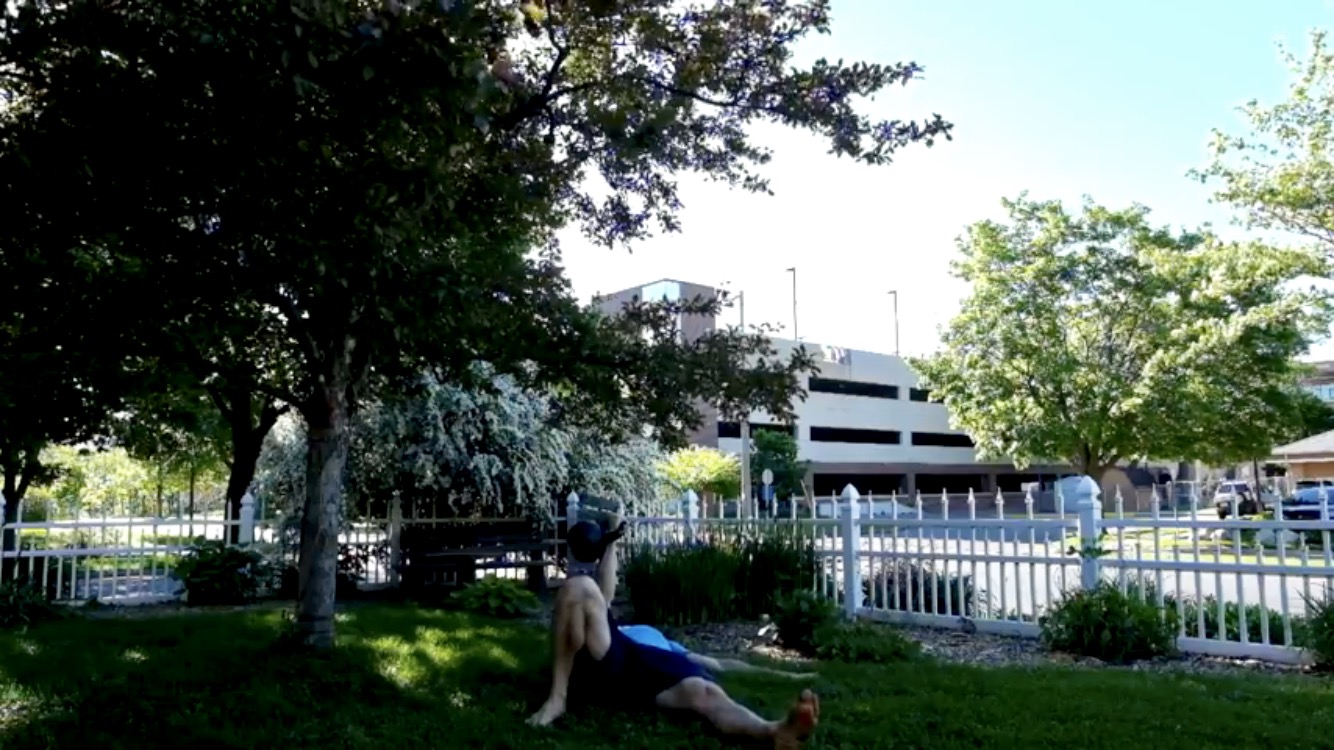
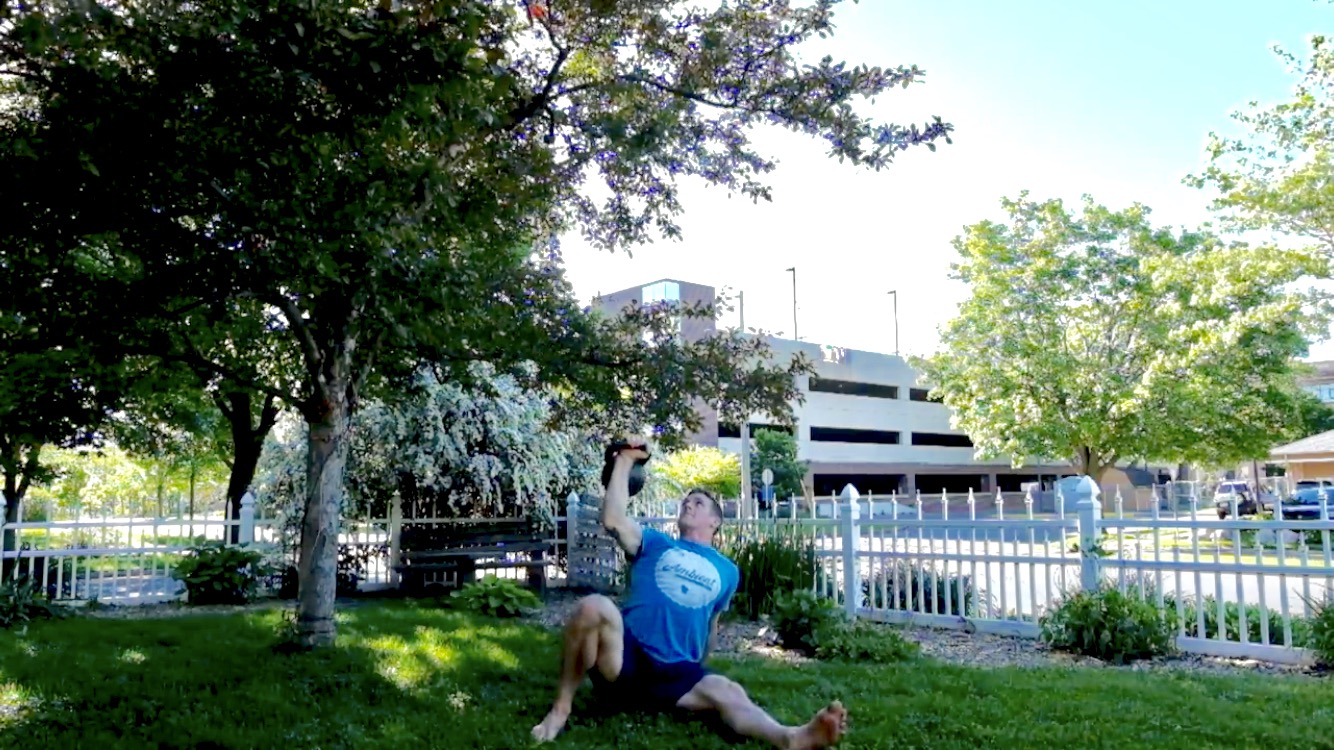
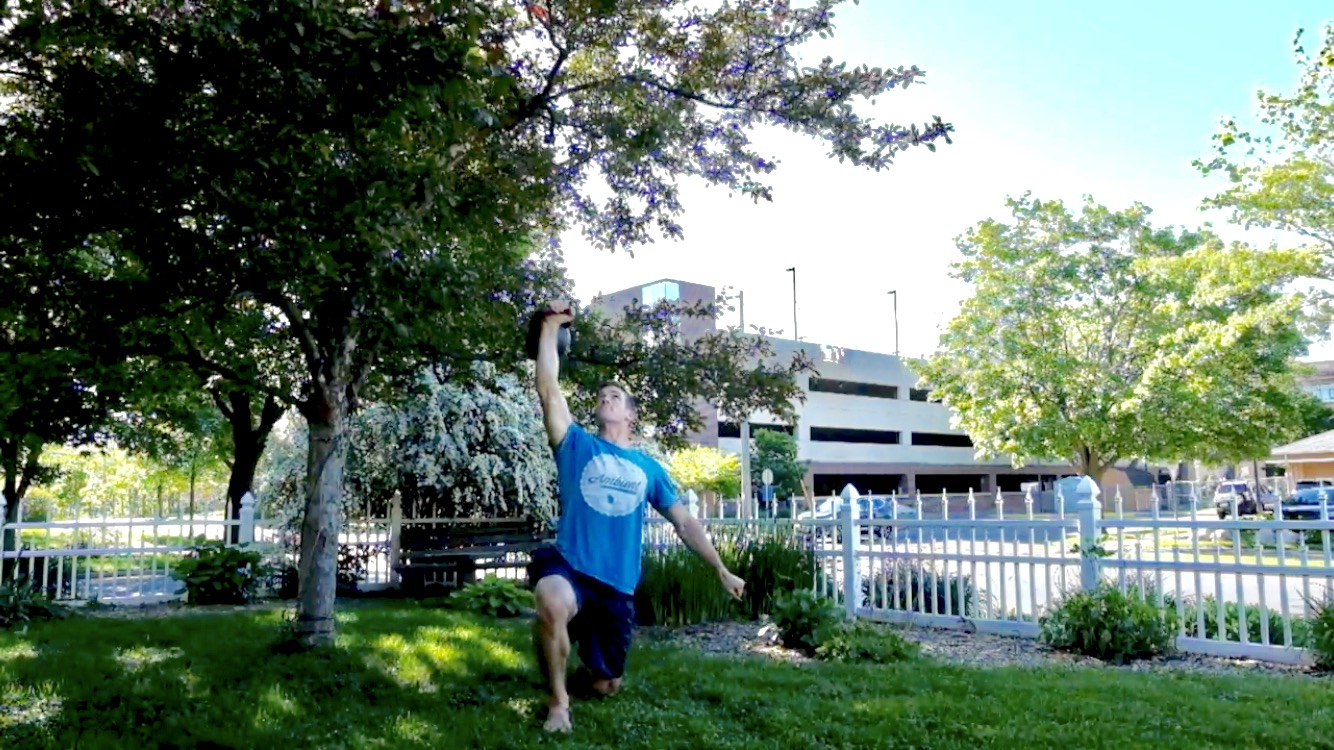
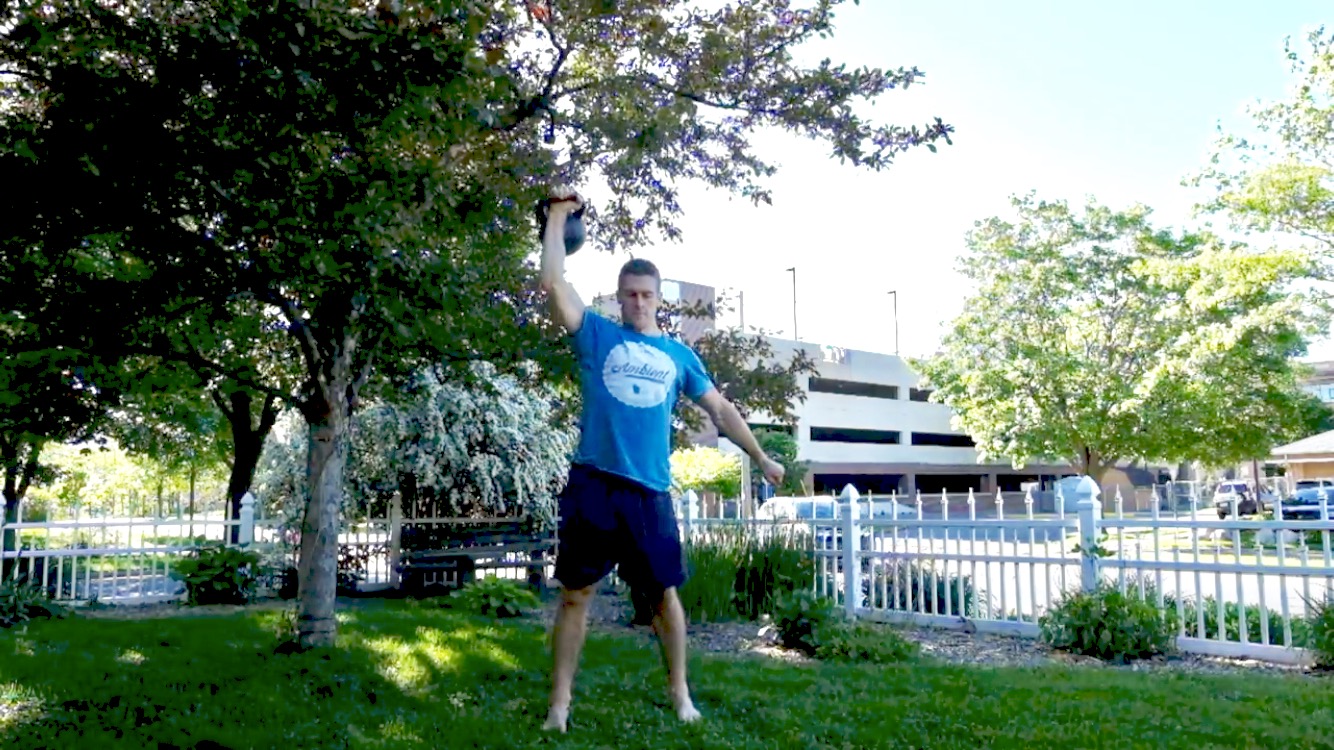
The gist of Turkish Get Ups is to move from a laying position to a standing position, returning to back to the original laying position. While you’re moving, a shoe or weight (kettlebell, dumbbell, etc) is being supported using one arm. The weight starts out over the chest, but eventually ends up vertically overhead.
Turkish Get Ups build tremendous total body movement strength, and are great for reinforcing shoulder stability.
(At the bottom of this post I’ll share a link to other challenging Turkish Get Up variations worth exploring.)
Combining Turkish Get Ups and rowing into the same workout creates a total body training stimulus that is time efficient (30 minutes and you’re toast).
Note: The great part about mixing rowing with Turkish Get Ups is that it fills in a gap. Upper body pulling. Pulling is one motion not included in a traditional Turkish Get Up. One of the main features of rowing is the pulling. Match made in heaven.
Turkish Get Ups tax the legs to some extent, but not horribly. The lunge to stand up and down is the primary lower body movement in a Turkish Get Up (along with lifting the hip lift), and the overall volume of lunges performed is really low. If you’re performing 10 Turkish Get Ups on each side for a workout, that’s 10 reps of lunges per side.
For most people the lunge is not going to be the weakest link in the chain when selecting weight for Turkish Get Ups. The lunge is going to be challenging, especially stabilizing the weight overhead, but a sub-maximal effort. You can likely lunge quite a bit more weight compared to what you’ll use for TGUs (slang for the in-crowd).
Rowing is lower body intense, yet low impact. It’s low impact in comparison to activities like running or jumping rope. Low impact does not means it’s easy. Each stroke requires a big effort from the legs as you unhinge at the waist, extending the knees and hips (along with upper body pull). You’re driving hard with the legs to push away from the flywheel, creating powerful strokes.
Rowing experts might cringe at this statement, but I like to think about rowing strokes as being similar to a repetitive horizontal barbell clean, if such an exercise existed.
Anyways…
The main message is: Turkish Get Ups and rowing make a great pairing for a total body workout, without needing much time.
Cardio and strength in 30 minutes.
The Workout
Set a timer for 15 minutes, start performing Turkish Get Ups, alternating each side. Do not stop until the timer sounds. Of course, grab a drink and towel off the sweat, but keep moving.
Next, hop on the rower. You have a few options with the rowing portion of this workout:
10 sets of 250m distance
6 sets of 500m distance
No matter what distance you choose (or a mix of both) follow a 1:1 work to rest ratio for rest periods. If it takes 1:45min/sec to row 500m, you’re resting the same amount of time before starting the next round. If it takes you 55sec to row 250m, you’re resting 55sec before starting the next round.
Make no mistake, a 1:1 work to rest ratio is intense. Round 1 might easy, but rounds 4-5 definitely will.
Fatigue breaks people in half.
Note: If you need to take more rest in between rounds, you make that call and you take the rest that you need. I am only making the suggestion of 1:1, this is not the law.
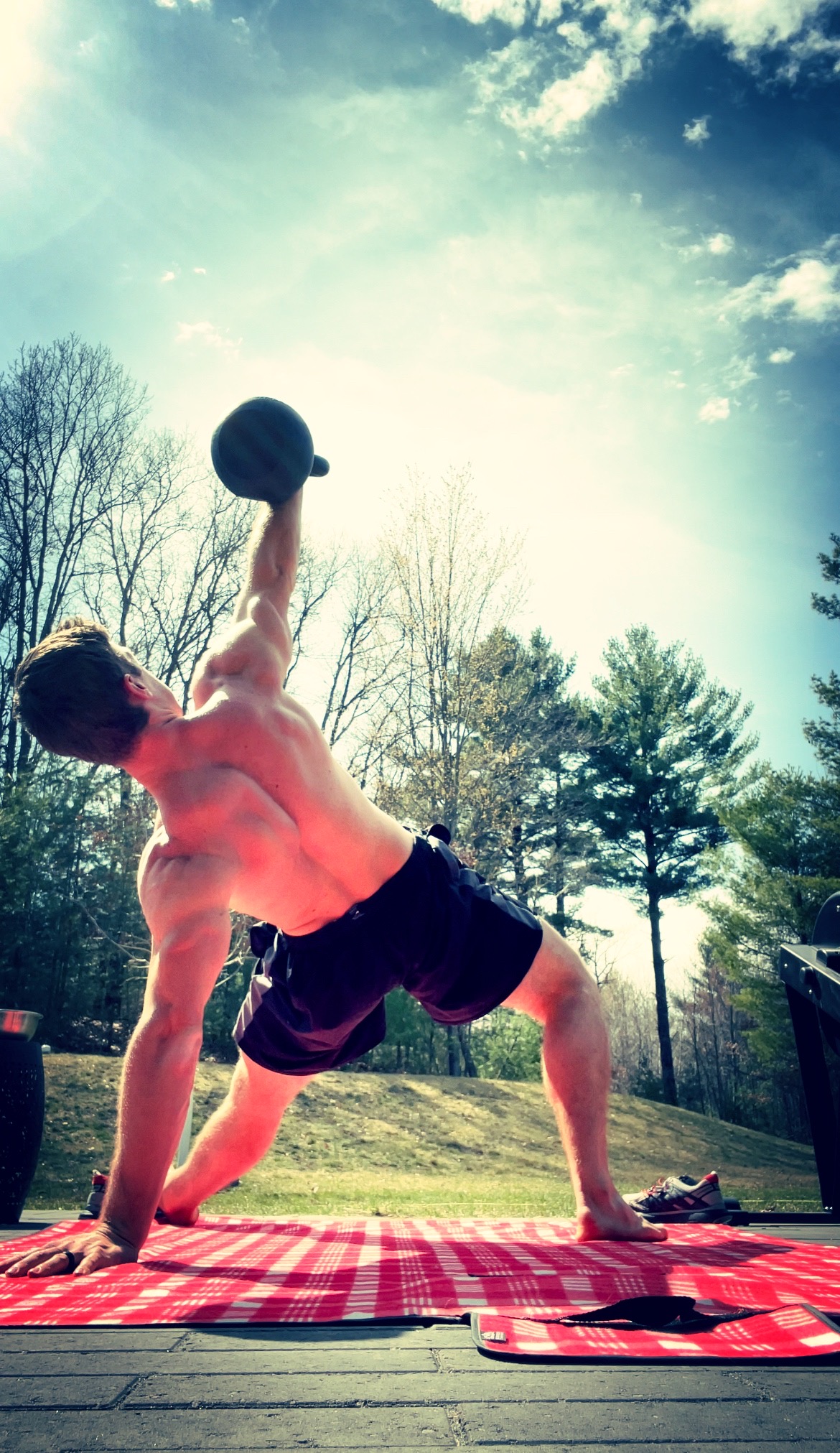
Bonus Points: Vitamin D 🌞
Doing this workout outside, under the sun, will earn you bonus points.
Much has been written about the importance of maintaining adequate Vitamin D levels.
I live in Wisconsin. We are a translucent, see-through, pale skinned people coming out of Winter. The first 50+ degree day, we flock outside like it’s Summer. Brats, beer and completely underdressed, yet feeling comfortable and happy.
Warmer temperatures and the sun lifts moods in the Spring.
Moving the workout outside, limiting the clothing you’re wearing to allow the sun exposure to as much skin as possible is a nice little bonus.
Attempting to kill too many birds with one stone can create headaches, but this is a seamless tweak to the workout. Just get outside.
In general, if you can transition a portion or all of your workouts from inside to outside, you have an opportunity to reap the benefits of sunlight and the benefits of exercise.
That’s powerful stuff.
Equipment-wise, Concept2 is my rower of choice. It’s bulletproof and used by Olympians, so it’ll be good enough for the average Joe/Jane.
What I’m about to say regarding kettlebells isn’t completely true, but to some extent, weight is weight. Especially now, with the pandemic decimating most of the fitness equipment inventory, find what you can and buy it. I also have a responsibility to be sensitive to everybody’s financial situation. These kettlebells bridge the gap between cost and quality.
Remember, companies will charge you for shipping weights. So now your $1.50 per pound kettlebell is suddenly $2.75 per pound after shipping. Even heavier kettlebells (up to 70lbs) from Amazon bypass shipping costs with Amazon Prime.
Explore: Turkish Get Up Variations
Earlier in the post, I promised you Turkish Get Up Variations.
Turkish Get-Ups, crawling, traveling squats and lunges, push-ups, rolling are all included in the 10 minute mini-circuits of the session.
Get ready to dirty your shirt.
If you’re unfamiliar with any of the exercises mentioned above, please head over to my YouTube channeland perform a search using those terms.
Always, always, always learn movement mechanics of new exercises while fresh and in an isolated fashion.
Learning an exercise in isolation means you’re repping out that exercise with the basic work-then-rest approach. Perform specific reps for a number of sets, rest, then attack the exercise again.
Fatigue can be managed with this approach, allowing movement precision to become the prime focus.
No one is above learning movements in isolation.
The exercise’s degree of difficulty might change from person to person depending on fitness level (beginners versus elite movers), but the approach is the same.
Learn new movements in isolation, code the movement into your system, do what you want from there.
Workout Structure
The full workout consists of 3 x 10-minute sections, each with a different movement emphasis.
You can execute all 10-minute sections, or perform 1 or 2 depending on your space, equipment and time.
Movement Emphasis
Workset #1: Turkish Get-Ups
Workset #2: Traveling Squats and Lizard Crawl
Workset #3: High Plank Step-Squat-Reach-Roll Flow
The goal is to perform the work non-stop 10 minutes with minimal rest.
Of course, movement quality is king, so if rest is needed take it to preserve the quality of each repetition.
10 minutes is the target exertion time. If you need to reduce the working time for each section, please do so. Start with a duration you can tolerate, any amount of time is better than doing nothing. 👊
After completing a 10-minute section, grab a drink, towel off the sweat and get ready for the next section. Don’t waste time.
Equipment List:
OMG!!! I need equipment?!?!
Not all workouts require equipment, but this one does, sorry…
* Kettlebell, dumbbell, sandbag, etc (weight for Turkish Get-Ups)
Bodyweight
12-15 feet of straight-away space
🤷♂️ If you don’t have any weights, find any object of reasonable shape and weight laying around the house that can add weight to the Turkish Get-Ups.
Get creative, it can be anything. A loaded backpack, children who are durable, a pet with a calm demeanor.
At the end of this post, I’ve included equipment shopping options.
Set #1: Turkish Get-Ups
No secret sauce here.
Turkish Get Ups are one of the best exercises on the planet.
Stand up and lay back down for 10 minutes, alternating sides each rep.
Turkish Get-Ups are a total body exercise and 10 minutes of continuous Turkish Get Ups is total body cardio conditioning.
Ideally, you’d have access to several different weights to switch it up. Start by using a lighter weight, bumping up the load every 3 minutes or so. End this 10-minute section with the heaviest load you have.
If you only have one weight, just use that. You’ll get a good enough training effect.
I prefer to use kettlebells for Turkish Get-Ups, but I’ve used many other gym tools with success. Dumbbells or sandbags can be used to add load to the Turkish Get Ups.
Set #2: Traveling Squats + Lizard Crawl
I love integrating isolated exercises into circuits.
Once you own a movement pattern, the options for using that movement pattern become limitless.
In the video, I’m traveling back and forth across a 15-foot distance.
From right to left, I use a descending modified dragon squat, uncrossing the legs and standing up with a Cossack squat to shimmy across the room.
After reaching the wall, I return to the start position with the king of locomotion patterns, the lizard crawl.
Turn around, switch sides, repeat.
Dragon Squat. The dragon squat is going to be a bit too aggressive of an exercise for a lot of people.
Here are exercises to substitute:
👉 Walking Lunge (forward or backward)
👉 Lateral Lunge
Lizard Crawl. If you’ve never tried a full lizard crawl, a work capacity circuit isn’t the time or place to dabble. The lizard crawl is an aggressive pattern best learned fresh.
I suggest regressing the crawling pattern to one of the following:
This simple ground-based flow includes a few common exercises (push-ups, sit-ups) along with uncommon ground-based flow movements (crab reach, rolling).
For some, this might be the first introduction into integrated movement conditioning.
Moving your body naturally through space.
This isn’t your basic “jogging in place, knees to elbows, shadow boxing fitness” circuit.
It’s bodyweight and movement, which will likely be humbling for a lot of people, including those who spend a lot of time resistance training in the gym.
You’ll feel the difference between natural movement and linear exercise while training like this.
During this work set, focus on smoothing out the transitions between each exercise. Make the entire sequence look like it’s fused together into a single unit.
5 years ago, I wouldn’t have referred anyone to Amazon for fitness equipment.
Today, Amazon is one of the best options to buy fitness equipment. Prime Shipping is hard to beat for shipping heavy gym equipment directed to your home fast.
The Turkish Get Up is not only one of the premier kettlebell exercises, but one of the best exercises on the planet.
In the past, I’ve done my best to avoid playing favorites with exercises, but if I could only choose one exercise, it would be Turkish Get Ups.
Blending total body strength, joint range of motion, movement transitions, functionality and options to modify for a cardio training effect, the Turkish Get Up exercise checks a lot of boxes all in one shot.
In this article, I’m going to share how to add exercises to an already complex exercise, to make it, well, more complex.
Many Exercises Rolled Into One
Boiled down, a single repetition of Turkish Get Up is made up of a diagonal crunch, modified lateral plank, hip lift, kneeling windmill, lunge, and static overhead carry.
Every pattern listed is performed concentrically and eccentrically.
Start in a lying position. Roll up to the elbow, then the hand. Lift the hips, bring the leg underneath, windmill up to kneeling. Lunge to stand up. Reverse the flow.
The only major movement pattern Turkish Get Ups don’t really address is upper body pulling.
Non-issue.
I’ll show you how to include bent-over rows to get your pulling work in.
There is an infinite number of ways to reorganize traditional Turkish Get Ups without losing the incredible benefits of the exercise.
Since the main positions of Turkish Get Ups include lying, kneeling and standing, we can slip exercises into each of these positions to create a brand new movement challenge.
Here are some examples of exercises that can be added to the traditional Turkish Get Up pattern to increase the movement complexity.
Turkish Get Ups w/ Cleans, Pressing, Squats and Z-Press
Once in a standing position, the exercise options are limitless.
The kettlebell clean and press is a staple combination. Descending down to the floor with an offset loaded kettlebell front squat gives the body a dose of asymmetric loading.
Once seated, get tight and press the kettlebell overhead.
Expect the Z-Press to be the limiting exercise with regard to weight selection.
Pressing from this position is far more strict compared to other overhead press variations.
Turkish Get Ups w/ Cossack Squats and 1-Arm Swings
I place a high value on being able to squat in different ways.
People have beaten the mechanics of the basic bilateral squat to death.
Cossack Squats require pretty aggressive hip mobility and strength in an uncommon pattern that a lot of people just don’t train. The adductors will be singing.
Once standing, the hand-to-hand 1 Arm Swings deliver a short burst dose of loaded conditioning and indirect core training.
Turkish Get Ups w/ Squats
Normally, Turkish Get Ups are performed with a lunge to stand and return to the lying position. This variation removes the lunge completely, using squats instead.
Caution: Must have sufficient shoulder/t-spine mobility and stability for this.
Turkish Get Ups w/ Bent Rows
One knock against calling Turkish Get Ups a “total body exercise” is the lack of upper body pulling. This variation provides a solution by including bent over rows.
Turkish Get Ups w/ Pistol Squats and Z-Press
Pistol squats, the slang description for unsupported single leg balance squats, are one of the best squat variations I know.
Improving single leg performance is great for sport and daily living.
At the halfway point, it’s time to return to the floor. This variation leverages an overloaded eccentric pistol squat for the descent mechanism, which is pretty challenging and effective way to return the ass to the ground.
Once settled, press the kettlebell overhead with a strict Z-Press.
In my own training…
… I engage in exclusive Turkish Get Up workouts several days per week.
To be clear, the “work” part of these workouts ONLY includes Turkish Get Ups, nothing else.
I pull out the kettlebells, set the timer, turn on the music and start moving.
These sessions start with a lighter weight kettlebell, gradually bumping up in weight every 4-5 minutes.
I like to finish the session with a heavy kettlebell, testing my will, focus and ability to stay organized physically while the fuel tank runs low.
Controlled movement while under fatigue is an underlying goal of most of my training. Explore new movements while fresh, morph the basics for conditioning and mental tests.
Yes, these sessions can be monotonous, but they are free of bullshit and any unnecessary exhaustive decision making in the gym.
The work is non-stop. I’ll take rest for a sip of water and to towel off the sweat, but always getting right back into the work.
Fatigue is going to set in as time passes. This is understood and accepted.
When the body becomes fatigued, movement quality degrades.
Maintain awareness about how fatigue impacts movement, blurs the mind-body connection and also how to continue moving with quality.
If rest is needed, it is taken.
Expanding movement capacity is best done while fresh. But don’t forget how to program your body to move well when tired.
The key is to know thyself, which means knowing your current fitness level and when you’re about to overstep your capacity to exercise safely.
General Tips/Insight/Common Sense
The question of “how many reps should I do” varies greatly from person to person.
I prefer to set a timer (anywhere from 10-20 minutes) and begin working. You might only be able to go for 5 minutes. Who cares. Celebrate the effort and build on it.
Focus on QUALITY repetitions. Take breaks as needed to execute quality reps.
Despite the soul-sucking marathon workouts found in at-home DVD’s, magazines and on social media, it’s unnecessary to beat yourself into a pulp every single workout.
Deliver a potent dosage of movement, get on with your day. Rest, recover, regenerate, grow stronger.
Learn each add-on movement in an isolated fashion. Do not Z-Press in the middle of a Turkish Get Up having never performed a Z-Press before. Do not attempt swings, cleans, rows, etc… having not practiced each of these exercises in isolation.
Make sense?
Always dabble with light weight first.Playing with new movement combinations while flinging a heavy kettlebell increases the risk of disaster. We can mitigate the risk of injury by using lighter, more manageable weight.
Again… move with quality. There’s a time and place for high intensity, balls to the wall, aggressive exercise with a little less emphasis on precise movement.
Turkish Get Ups are not an exercise to rush through. Embrace the slow, meticulous grind. Move with purpose, grace, soft hand/foot touches and strength in transitions.
Direct core training is an essential part of any workout program.
The fitness industry gets into highschool level fights over whether direct core training necessary, but since I believe in training the entire body…
…. core training is a must.
Boom.
In a way, if your core sucks, you suck.
A strong core protects the spine and serves as a conduit for force transmission between the upper and lower body.
Ground reaction forces travel from the feet, up through the mid-section and out through body tips of the fingers.
Highly controversial fitness trainer Uncle David Weck taught me that.
If the muscles that wrap around the torso are weak or under-performing, energy leaks and both performance and function can suffer.
A strong bodies has a strong core.
A balanced, comprehensive approach to core focused training will calbrate the body to properly absorb force and produce force in all planes of movement.
This is a giant list, so let’s not waste any more time.
Here are 15 different core based exercises worth slipping into your next workout…
1.Anti-Extension Roll Outs (Ab Wheel Roll Outs)
For $15 on Amazon, you can purchase an Ab Wheel Roller.Ab Wheel Roll Outs are anti-extension core exercise, great for building not only core strength but core endurance.
In a tall kneeling position, slowly roll out way from the knees.
During this rollout motion, cue your hips to fall outward at the same pace as the upper body.
Roll as far out as you can control. If the lower back caves, you’ve gone to far.
Pull yourself back in using your mid-section, lats and pec muscles (gripping the handles hard).
During the most difficult portion of the roll-out, “hollow” out the mid-section.
The hollow body position tucks the ribs down while the navel curls toward the ribs. The result is a curved body shape or the “hollow” body.
2.Turkish Get-Ups
As far as productivity and global training effect, Turkish Get Ups (TGUs) are hard to beat.
Turkish Get Ups are a total body exercise.
The goal of the Turkish Get Up is to transition from a lying position (supine) to a standing position, reverse the order and return back to the original lying position.
Controlling the weight during the up-down sequence is fatiguing not only for the core but for the loaded shoulder as well.
Turkish Get Ups are best performed with kettlebells or dumbbells, though nearly any object of weight can be substituted.I’ve used sandbags, liquid filled milk cartons, barbells, weight vests, shoes, and weight plates to name a few.
Turkish Get Ups are best learned by isolating and practicing each segment.
Stabilizing the weight overhead is can be draining for the stabilizing muscles of the shoulder.However, the time spent in this over-chest/over-head position is fantastic for building shoulder stability, which can help with injury mitigation and performance.
Standing up and laying back down equals one rep.
Sidenote: I’ve used Turkish Get Ups as my “workout of the day” for years. I set a timer (10, 15, 20 minutes) and alternate sides until the timer sounds.
I use a variety of weights during this time, work several repetitions in a row without putting the weight down or mix up the way I stand up and lay back down for variation (squat, lunge, etc).I’ve added a simple press at each of the 7 steps, performed kettlebell swings cleans and snatches at the halfway point (standing position).
Dragon Flags (and variations) are one of my favorite core exercises.
Why? Because they’re hard as hell!
Dragon Flags require a tremendous amount of effort and total body tension.
Ly on your back, grab onto a bench, squat rack, heavy sandbag or any other immovable object with the hands positioned above the head.
Raise the feet up to the ceiling. Making the body as straight as possible from ankles to shoulders, begin lowering to the floor.
SLOW IT DOWN, resist gravity’s pull.
Working the descent of the dragon flag is known as the “eccentric”. For beginners, only focusing on quality eccentrics is just fine.
If you’re feeling strong, Advanced Trainees can reverse the eccentric and ascend back to the top.
Do not lose the straight line from head to toe.
After listening to Gymnastics Bodies founder Coach Christopher Sommer’s podcasts with Tim Ferriss, I dropped Dragon Flags into my workouts as a mainstay core conditioning exercise.
Planks are a fundamental static core drill and a position worth exploring.
The video demonstrates rotational side planks.
I use these (and many other plank variations) frequently.
Reps, sets and time to hold each plank exercise is a highly debated topic.
If you can comfortably hold a plank for 90-120 seconds without strain, you’re likely wasting your time and the return on effort has diminished.
Move on to more challenging core work.
4.Crawling
Crawling is a critical component for early childhood physical development, but also effective for building strength and conditioning in the gym.
The more “adult” we become, the more we move away from activities we engaged in as kids.
This is de-evolution. It’s not good.
You either use it, or you lose it.
And as adults, we tend to move less and less with age, and if we do move, it’s generally isolated to linear walking or machine-based cardio.
Adults need to revisit moving like they did when they were kids.
Get on the floor and crawl.
5.Lizard Crawl
The Lizard Crawl is an advanced crawling pattern and probably the king of all ground-based crawling variations.
Ground-based conditioning is bodyweight training with no equipment needed.
6.Offset/Asymmetric Pressing and Holds
Grab a dowel, barbell or a stronger broomstick.
Dangle an object (with a handle) like a kettlebell or wrap a resistance band on one end.
Now, press or hold that dowel without changing body position or allow the object to slip off.Confused?Me too.Watch the video above and it will all make more sense.
Objects we encounter in life are rarely perfectly balanced.
Weight is often distributed unevenly, which means we have to adapt to awkward loads, recalibrate on the fly and push on.
7.One Arm Push Ups
A lesson in indirect core training, one arm push-ups will challenge the muscles of the midsection better than 95% of core based exercises.
One-arm push-ups train single arm pressing strength like few other exercises.
Global Bodyweight Training does a great job laying out exercise progressions leading to the one arm push up.
8.L-Sits (all variations)
L-Sits are a beginner exercise in the gymnastics training realm.
Very humbling to think about it with that perspective, since L-Sits are a tough ass exercise.
Creating an “L” between your upper body and lower body (at the hips) extremely taxing for the hip flexors and lower abdominal muscles.
Starting out, you’ll have to dial back the duration of your L-Sit efforts to 5-10 seconds of work, with plenty of rest between each effort.
In time, the duration of the hold will increase as your body adapts to the demands.
Of all of the basic gymnastics postures, I have found L-Sits to be an absolute game-changer for building core strength.
Including L-Sits in my workouts, 2-3 times per week has increased my hold duration time from a few mediocre sets of 10-15 seconds to 30+ seconds with legs moving above parallel.
9.Arch Body Holds
Lay on the floor face down, arms and legs stretched out straight above/below.
Lift the upper body and lower body at the same time, arching your back toward your butt.
Hold this Superman-like position for 5-10 seconds and release back to the floor.
Repeat for repetitions.
Progress Arch Body Holds by increasing the time of the hold.
10.Hollow Body Variations (rocking and static holds)
Hollow body holds (progressing into rocking) conditioning the entire front side of the body, from fingertips to toe tips.
The quads, diaphragm, abdominals, hip flexors all get some love during hollow body training.
11.Toes to Bar
Toes to Bar improves core strength, midline endurance while improving grip, shoulder health and back performance.
Prolonged hanging from a bar, branch or anything overhead is therapeutic for the upper body.
There are few different variations of the Toes to Bar exercise, kipping (ballistic) or strict.
12.Bridging
Bridging is can help offset the modern-day desk warrior posture.
Following the lead-up bridge positions and working shoulder and mid-back mobility, hip flexor flexibility and glute strength can inch you closer to a full bridge.
I’d also suggest training active mobility.
MyDailyMobilityis a follow-along mobility program with updated workouts every week. Taking the time to train mobility will bulletproof joints against injury and increase performance.
Once you’re able to hold a static high bridge for 45-60 seconds, start exploring adding the rotational piece into the bridge movement.
13.Dynamic High Plank Exercises (pull-throughs, push-pull)
14.Landmine Grapplers
The landmine trainer provides the opportunity to train many angled exercises and rotational exercises not possible without the pivoting sleeve.
If you’ve got access to a barbell and a few weight plates, you can start training landmine exercises right away.
Turkish Get-Ups (TGU’s) are one of the great kettlebell exercises. Nevermind kettlebell exercises, they are one of the great movement training drills we’ve got.
When I am asked, “What are the best exercises I should be doing?”
Turkish Get-Ups are always a part of my answer.
This is a heavy question to ask and even heavier to answer. Responses will differ depending who you’re asking but generally speaking, there is too much movement value, low risk and high reward with Turkish Get-Ups to leave it out.
Few other exercises provide the total body training effect of Turkish Get-Ups.
Like any exercise, TGU’s have an infinite amount of variations, add-ons, and programming option (sets, reps, time, weight, etc). Practicing variations is a nice way to introduce a movement challenge and avoid the onset of boredom.
Make no mistake, keeping training fresh is important across the long-term.
One of those variations is the “press at every step”.
This TGU variation involves performing five presses in the following positions:
Lying position.
Elbow support.
Hand support.
Half-keeling.
Standing.
Press #1: Lying Position
This is the only true horizontal press of the five listed. “Horizontal”, meaning you’re pressing from the back of the body to the front of the body (anterior to posterior then back to anterior again), similar to the mechanics of a traditional bench press. Lower the weight down until the elbow makes light contact with the ground, pause, press back up.
Press #2: Elbow Support
Pressing from the elbow support position will be a new experience for a lot of people. Expect this to feel unnatural and use cautionary judgment with weight here. The trajectory of the kettlebell is slightly different than any traditional pressing exercise.
Press #3: Hand Support
This body position will likely be the most awkward press of them all. Remain rigid from waist to shoulder. Naturally, your body is going to want to crease or your ribs are going to flail. Avoid letting either happen. Stay rigid and press!
Press #4: Half-kneeling
Training in the half-kneeling narrow stance position is a natural core blaster and can reveal side-to-side differences in symmetry. You might be steady with the left knee up, but hardly maintain the position with the right knee up.
Turkish Get-Ups aside, half-kneeling pressing is a natural overhead pressing progression into the standing press.
Press #5: Standing
Finally, standing at last. In the world of “functional training”, this is as functional as it gets. Pressing objects overhead is a common task in life. Unfortunately, most of the objects pressed overhead in life aren’t evenly weighted with nice handles.
Here is a video of a full “Press at Every Step” Turkish Get-Up…
Whether you’re craving a movement challenge or simply a new variation of a timeless exercise, give this one a shot. Be prepared for sore shoulders and core in the days that follow. Five presses inside of each TGU repetition accumulates a lot of work for the upper extremities.
For more great kettlebell exercise variations, I recommend two resources. The first is a landmark book from the modern day Godfather of kettlebell training, Pavel Psatsouline. There isn’t a kettlebell professional who hasn’t read Pavel’s ongoing work with kettlebell training.
The second resource is a full training system from Chris Lopez designed to improve body composition using kettlebells, more specifically fat loss. Kettlebells are unique in their ability to burn fat when used systematically. Chris has published a number of kettlebell training programs focused on how to “lean out” using kettlebells for quite some time.
The Turkish Get Up is a little known weapon to those who are insanely strong, balanced and mobile.
Since implementing into my own training schedules, I have noticed incredible increases in shoulder stability and strength, core stability and strength through multiple planes of movement, along with a nice boost in joint mobility at the hip, shoulder and thoracic spine regions.
To be honest, it’s extremely hard for an exercise to crack my workout line-up. In other words, I am very selective about adding new training methods since I have seen such tremendous results with my mainstay movements.
However, in the same breath, I have to say that the turkish get up has been one of the greatest additions to my training habits to date. The amount of insight that I gained about my own movement quality was unprecedented, and humbling at times.
I ‘bulletproofed’ my body the day that I dedicated myself to learning the turkish get up, and by learning, I am talking about reading articles and watching YouTube videos until I was blue in the face.
You can learn any exercise correctly if you know where to look on the internet. If you’re a visual learner, check out the videos on YouTube, some are extremely high quality and in depth.
I cannot say enough about the drastic impact turkish get ups had on my performance and quite frankly, my physique. Spending that amount of time under tension does wonders for firming up a person’s body. I can’t deny that I haven’t enjoyed seeing the tweaks in transformation.
The traditional turkish get up is a phenomenal exercise, and probably needs no further adjustments or additions, but for the curious mind (which I have) and those who enjoy exploring (which I do), adding in slight tweaks to the turkish get up can make what some feel is a “bland” exercise extremely interesting, not to mention fun.
Of course, everyone should hone in on the basics of executing a regular turkish get up before moving any further in the progression, it just makes senses to progress with common sense.
The idea of pressing during the turkish get up was simple…
I perform a press at certain check points that allow for it.
Press #1: Horizontal chest press in the starting prone position.
Press #2: Overhead vertical press at the tall kneeling position.
Press #3: Overhead vertical press at the standing position.
Press #4: Explosive push press at the standing position.
Done.
If you stop and think about it, you’re pressing the kettlebell (or dumbbell) four different times for each individual rep of the turkish get up.
That’s a lot of work.
*** Keep in mind that the chest press performed in the lying position might will not feel like a normal bench press because: 1) You’re pressing an odd object (kettlebell), 2) Your range of motion is limited (elbow contacts ground surface) 3) Your body position is altered from a more traditional bench press.
All of these things are ok, so relax about it. “Real world training” says that you won’t always be pressing a shiny dumbbell on a padded bench. Though he was referring to sandbags, I believe I heard Alwyn Cosgrove call repetitions like these “alive reps”. Nice terminology, I can roll with that.
If you perform 5 reps of get ups on each side of the body, you’re looking at 20 reps per side (40 total) right and left. If you go higher reps, which I typically like doing since my turkish get up practice usually involves nothing more than get ups and some kettlebell swings afterward for conditioning purposes, you might be looking at a pressing volume of 40+ reps on each side of the body.
Consider that the pressing is uni-lateral (pressing with one arm while the other remains unloaded) and you can bet that your mid-section is getting as much of a workout as your upper and lower extremities are.
Poke your tummy the next time you press a decently heavier weight on one side only, it will be activated.
“Six-pack training” anyone?
I considered pressing at the same check points on the way back down to the start position, but felt like this would be slight overkill. Who knows, maybe down the road. That would have increased my pressing volume to 40 reps per side for every 5 reps of turkish get ups, and 80 per side had I completely 10 turkish get ups.
This is where I use my logic. For my goals, that amount of pressing will take away from my main goal, which is to work the turkish get up, not improve my pressing strength and abilities. So, I avoided this volume to keep the workout more TGU-centered.
Make sense?
Post-workout, the first observation I had was the fatigue component experienced from all of the added pressing.
The shoulder burn wasn’t nearly as bad as it was from the “5 minute no rest turkish get ups” that I adopted from Jon Hinds (owner of Monkey Bar Gym), but it was right up there. I am humbled what a simple activity like holding a weight (and a relatively light one at that) overhead can do to fry your shoulder musculature.
For me personally, it was a completely manageable fatigue (which is perfect) that provided an added challenge to the main movement.
A rarely discussed topic with turkish get ups is the amount of cognitive support needed to execute such a segmented exercise. There is a lot happening on the way up to the standing position, and then on the reversal moving back down to the starting position.
Holding the weight overhead is one thing. Holding the weight overhead while twisting and turning underneath that weight in an effort to rise up to the standing position from a dead stop laying position is another. Don’t
The first few times I gave a good effort to turkish get ups- treating them like practice versus a workout- my brain was fried. My eyes felt tired.
The brain has to be engaged in order to make turkish get ups work, and this is another HUGE benefit of the drill. Turkish get ups are a technique driven drill sequence. I respect those who preach this, because I feel that focusing on technique and the subtle details is how you extract the most physical and mental benefit from the movement.
The mind-body connection during get ups is of tremendous benefit for the exercisee.
I feel smarter after get ups, no lie. More detailed, more creative, stronger 3-dimensionally.
If you’re looking for a challenge, try adding some presses into your turkish get up practice. But keep it exactly that, practice. Be mindful of your abilities, yet don’t be afraid to walk to the fringe to challenge your mind and body.
And as I mentioned earlier in the post, if you have never practiced turkish get ups, your main job is to learn the steps first before adding pressing. You have to crawl before you walk.
Cheers to adding pressing to your turkish get ups,
In my 4 year training hiatus away from traditional gyms, I have learned a lot about strength and conditioning.
I’ve learned that fancy equipment is NOT a necessity, and that a small investment in large ROI (return on investment) tools like the kettlebell are well worth the money spent.
I was introduced to kettlebells through the internet. Honestly, the first time that I ever witnessed a person swinging a kettlebell was on YouTube while in Detroit, MI. I have to admit that I was stubborn in my training philosophy then, so I hated them.
“Another exercise fad! That’s insane and dangerous!”
I believe that to be my initial reaction that after watching the video clip.
Kettlebells weren’t a thought in my mind until a year after watching that clip. What a mistake.
Perform Better and Gray Cook…
While attending a Perform Better conference in Chicago, I decided to listen in on Gray Cook’s seminar as he raved about the kettlebell’s versatility when it came to rehab, strength and power development. Gray isn’t known for being a fat loss guru, but he made a point to touch on the effectiveness of kettlebell training for burning fat.
One point that Gray made was an experience that he had working with the Indianapolis Colts, having 260-320lb NFL athletes try and walk 50 yards with a 53lb (24kg) kettlebell held in full extension over their head.
Not one guy could do it.
Pound for pound, we are talking about some of the strongest athletes in the world. Many of these guys can probably press 100+ pounds vertically, yet not one could overhead carry load half of that (53lb) for 50 yards?!?!
No shoulder stability. Many of these guys were ticking time bombs for injury. Very interesting.
After Gray’s seminar, I ventured over to the product display table where they had a 20kg kettlebell out for trainers to play around with. As soon as I picked it up, I felt like I hadn’t trained in years. The feel of it was so unique.
One short, awkward, off-balance kettlebell workout later that night in the hotel room and I knew that there was something incredibly valuable about the kettlebell. The rest is history.
Here are some reasons to love KB’s…
Kettlebell Design…
The weight of a kettlebell is off-center that of the handle, unlike a dumbbell where the weight is evenly distributed on either side of your hand grip. First impressions after picking up the 20kg bell at the convention told me that I needed to give it a shot. I purchased a 20kg kettlebell and my introduction to alternative training methods began.
Most of the kettlebells that I recommend purchasing as made of a cast iron mold. Lifeline and Dragon Door are the two major players, with companies like Perform Better and Art of Strength having a market presence also.
You are going to find two different styles of kettlebell on the market today.
1) The first is the competition kettlebell and looks like this:
2) The second (and more common) kettlebell that you will often see is what is known as the “hardstyle” kettlebell. This kettlebell design was used by the Russian’s to condition their military for years. Pavel Psatsouline pioneered the kettlebell craze in the Western world in the early 2000’s, and his methods have since grown like wild-fire in popularity.
Here is what the “hardstyle” kettlebell looks like:
Flow…
The flow of kettelbell training is what makes it so addicting. Virtually every movement in a kettlebell workout is completed in standing position, so transitioning from a 2-handed swing to a 1-handed swing to a 1-arm clean into a vertical press… is actually quite simple. It’s all about grace and flow while maintaining enough muscular tension to move the bell through space.
Ground based training with constant transitions from movement to movement is total body in nature, and extremely fatiguing. The indirect core training that occurs as a result of a vertically standing posture is one of the many perks of ground based training. Muscles are called upon to contribute as they would in a real world situation.
This is functional training. No gimmicks, just amazing real world carryover from the workout to life.
Relaxed-Tension…
Kettlebell training is a skill and an art. Creating tension where it is needed yet remaining relaxed is something the is so non-traditional compared to traditional strength training methods. Sure, you can perform the grunt lifts, but the balance of “relaxed-tension” is something to be marveled at with a kettlebell workout. Martial artists have known the value of relaxed-tension for hundreds of years.
Relaxed-tension demonstrated in the Bottom’s Up Turkish Get Up
Basic movements, huge training effect…
Simplicity will trump everything with kettlebell training. A steady diet of kettlebell swings, cleans, snatches, vertical presses, bent rows, reverse lunges, turkish get ups and carrying variations will keep you progressing for months both aesthetically and athletically.
Forget about fancy moves from the get go. Train the foundational movement patterns listed above and you’ll develop strength while consistently decreasing your waist circumference.
A lot of people struggle with sticking to a training regimen because they get paralysis by analysis. Men’s Health and their trivial information sends people in 10 different directions, which often times causes the tiring spinning effect in a training
Stick to the basics.
Stay tuned as I load this blog up with more videos and demonstrations.










 M(eaux)tion Fitness